
Welcome to Day 3, loyal readers!
It’s our last full day here in Deal staying at Channel View Apartments where it’s been the perfect location for our ‘Castles Caper’ (even if the parking has been ‘challenging’!).
On our Castle Capers list is:-
With Deal Castle and Walmer Castle conquered yesterday, guess where we went today?😎
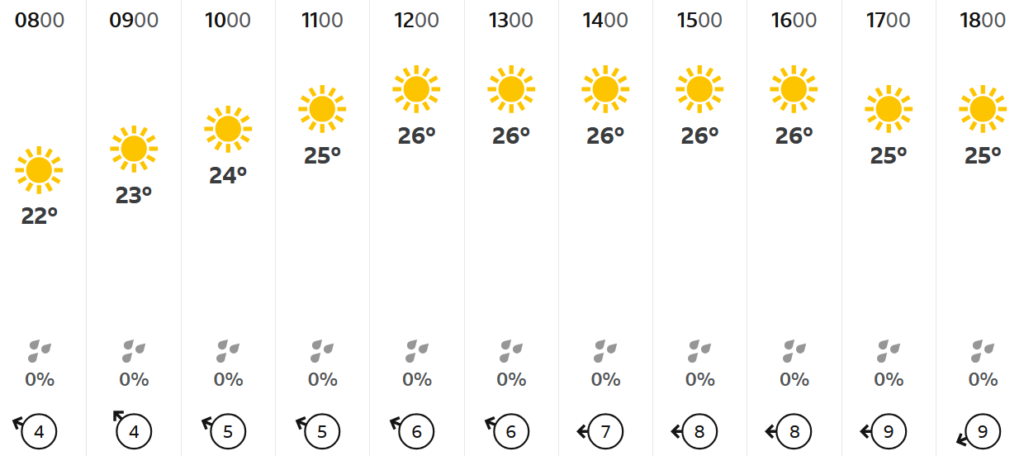
Yes, we’ve had Dover Castle in our sights today. It only took us about 10 minutes to get there, and weather-wise, what a great day for it! Our hats, sunglasses and suncream are certainly on overtime! 🥵🌞
Compared with Deal and Walmer, Dover Castle is massive! There is more than just the Castle walls to see here, and we therefore both felt we’d saved the most impressive until last.
Dover Castle
Built by Henry II, and commanding the shortest sea crossing between England and the continent, Dover Castle has a long and immensely eventful history. Known as the ‘key to England’, this great fortress has played a crucial role in the defence of the realm for over nine centuries, a span equalled only by the Tower of London and Windsor Castle. Read a more detailed timeline here on the English Heritage website.
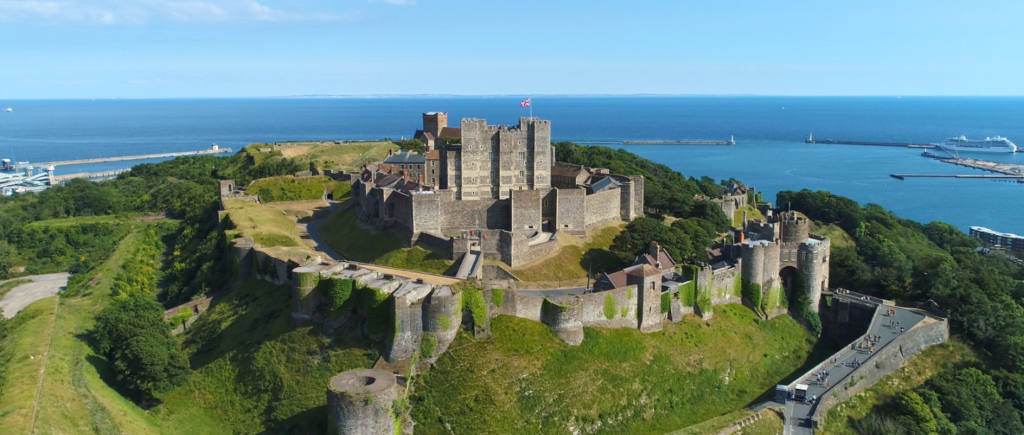
Impressive, ehh?!?! What makes this Castle extra special is that it also has secret tunnels put to various uses underneath (more about that later).
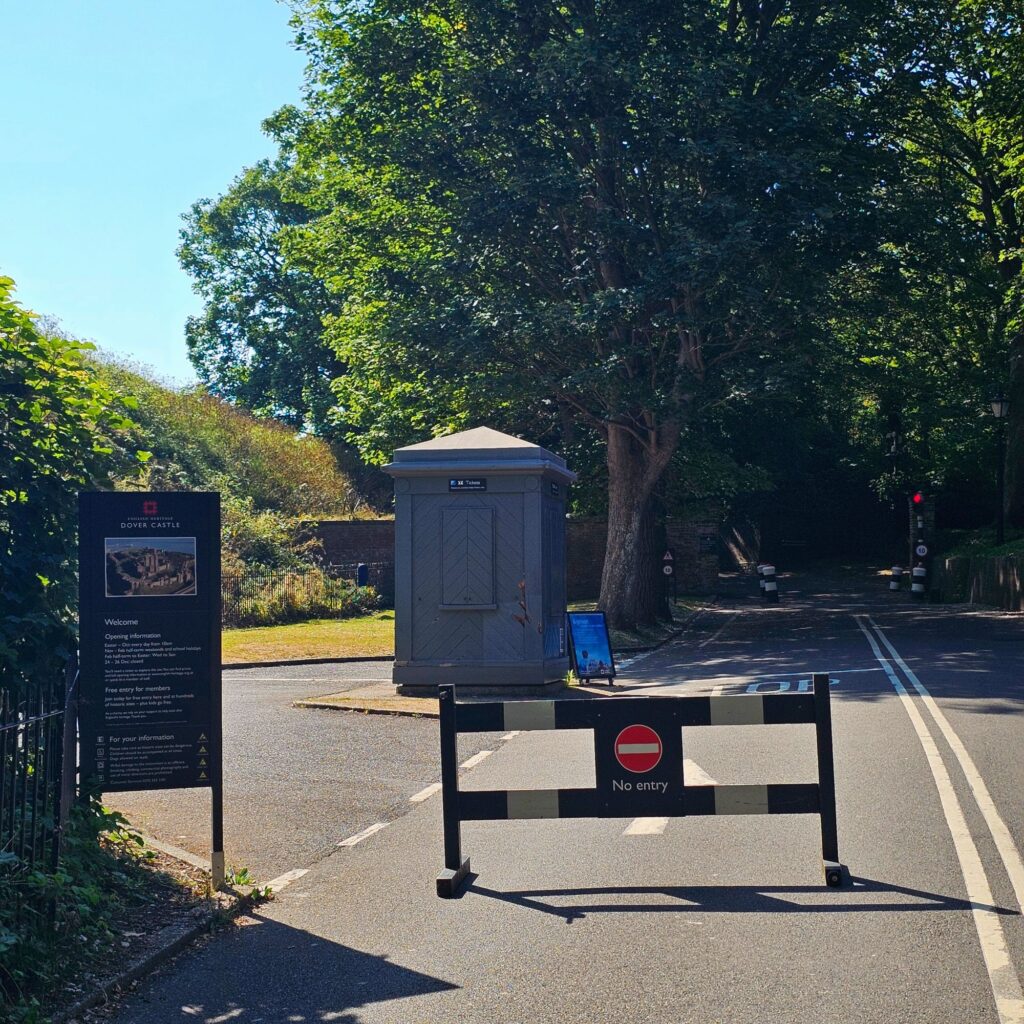
We arrived around 9.20am – 40 minutes before opening time (we’d seriously over-estimated the journey time!) – but there was soon a long queue behind us. Helpfully, a member of staff walked the queue and explained the admissions process. For EH Members, wait for the green traffic light (it’s a partial one-way system initially up to the car parks) and point the car ‘upwards’.
At the summit, there were three car parks to choose from, with the middle option getting us closest to the admission area, but the lower one would have been better for shade. The upper area would have helped with our step count! 😊
The Castle
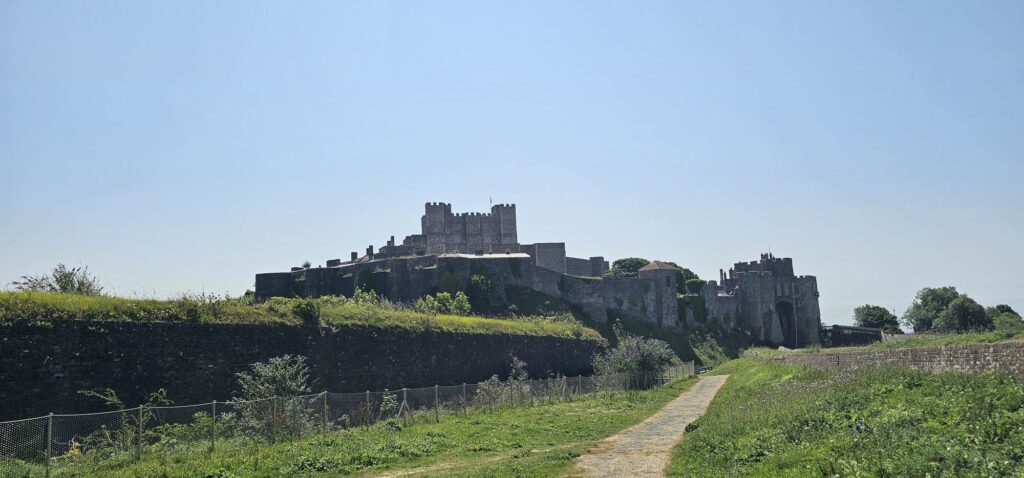
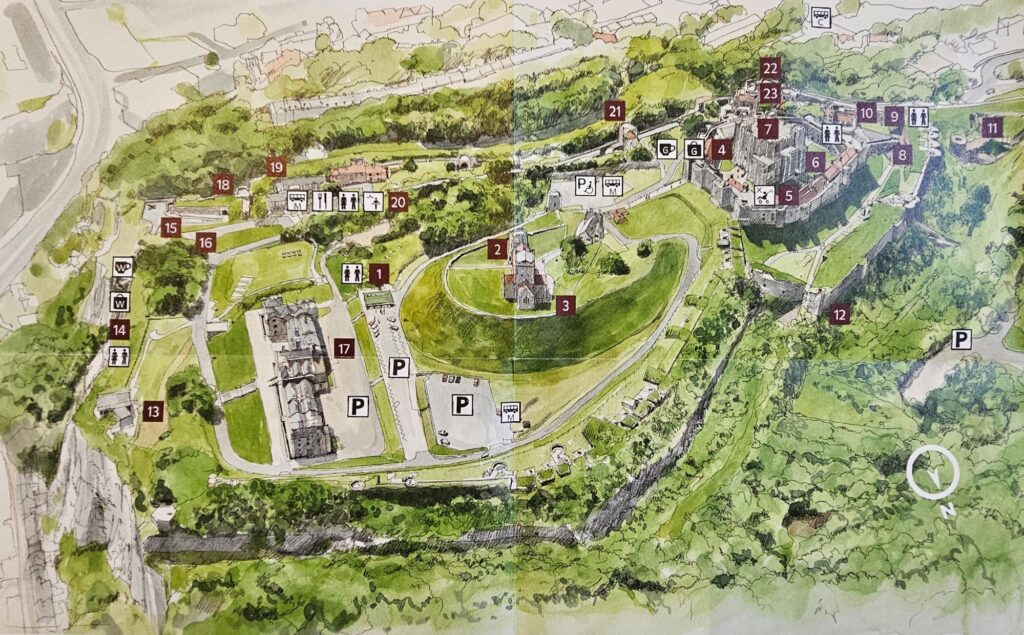
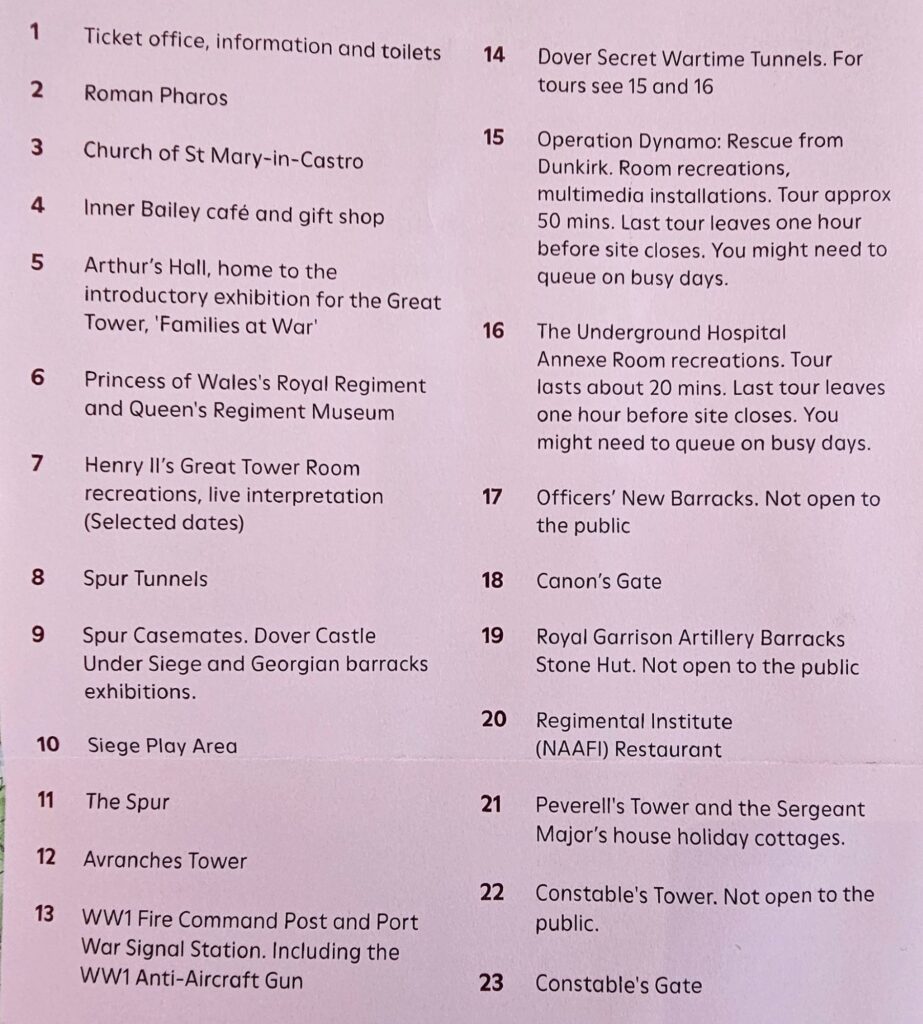
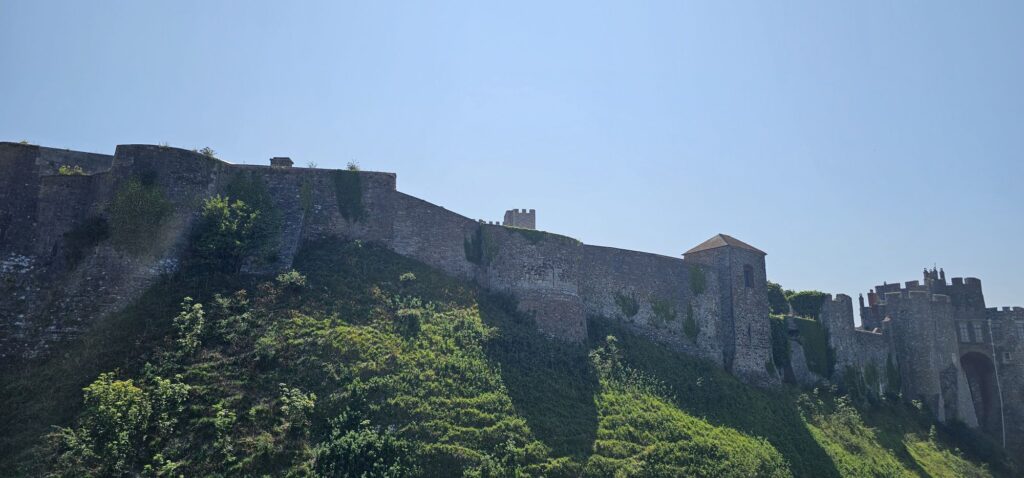
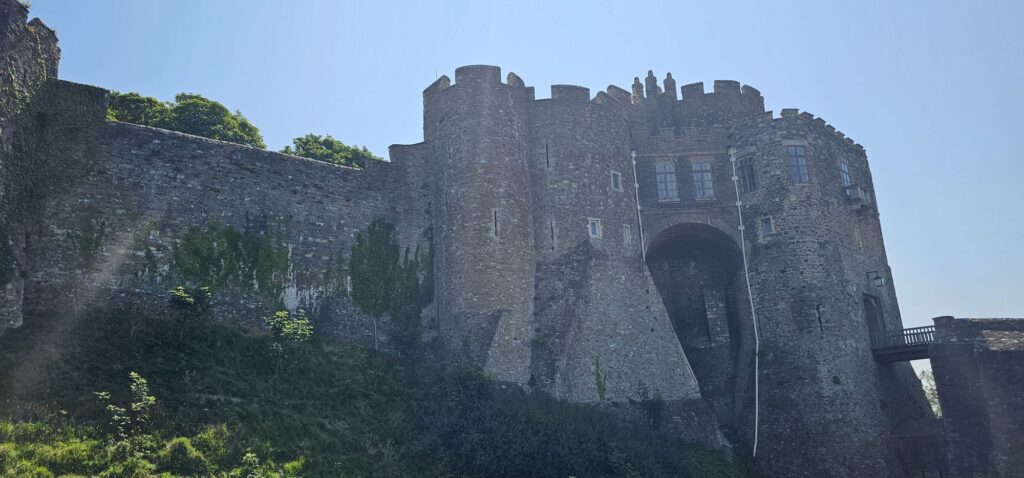
It’s an impressive structure that dwarfs its sister Castles at Deal and Walmer. What to cover first? Fortunately, the helpful staff must have been asked that question a million times before and quickly explained the best route (Lighthouse and Church first, then the Castle and finally the Tunnels and the Hospital).
10.05am:
Colton’s Gate
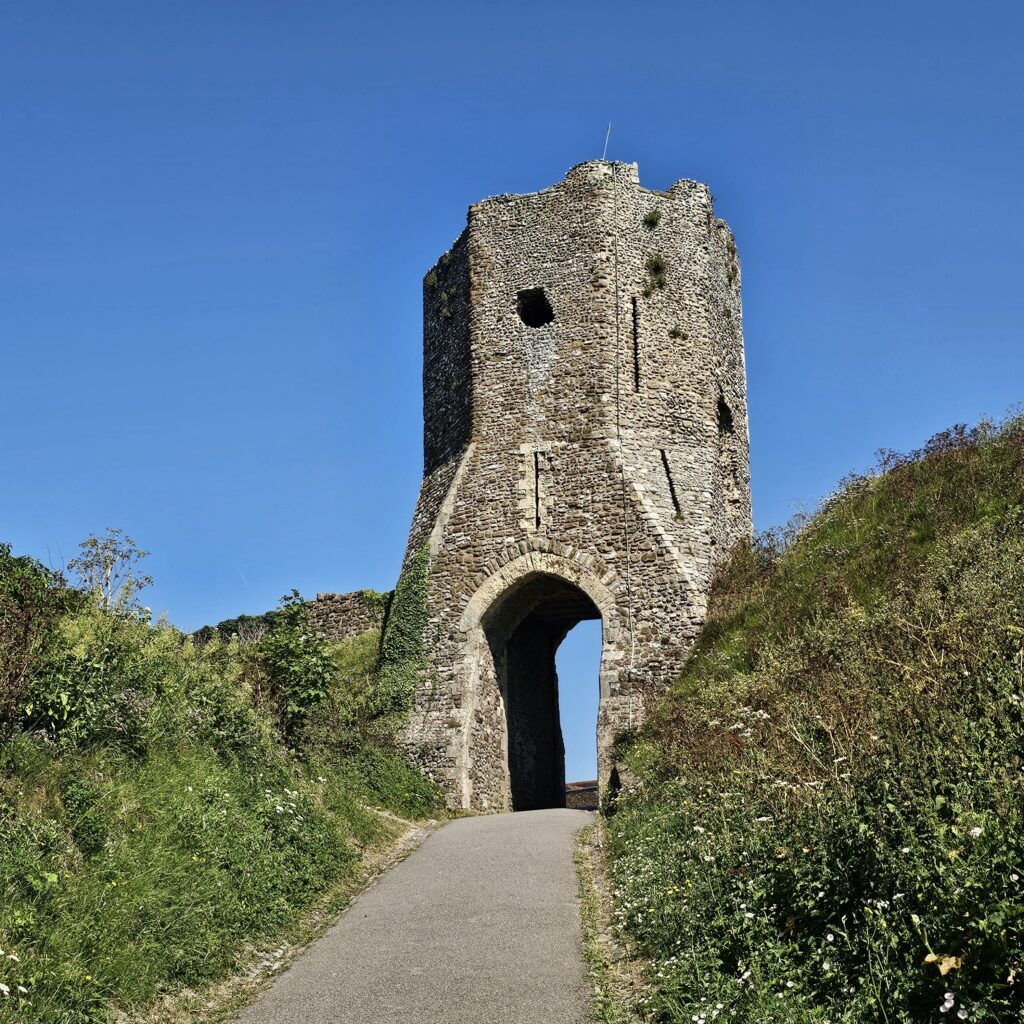
Colton’s Gate is the first construction you’ll see as you head for the Castle itself. It’s an impressive 13th-century octagonal gate-tower built on instructions of the ever-popular King John and historically grants access to and guards the approach to the Anglo-Saxon Church and Roman Lighthouse. Built in the early 1200s, the Gate was re-roofed by the War Office around 1900.
10.10am:
The Church and Lighthouse (yes, really!)
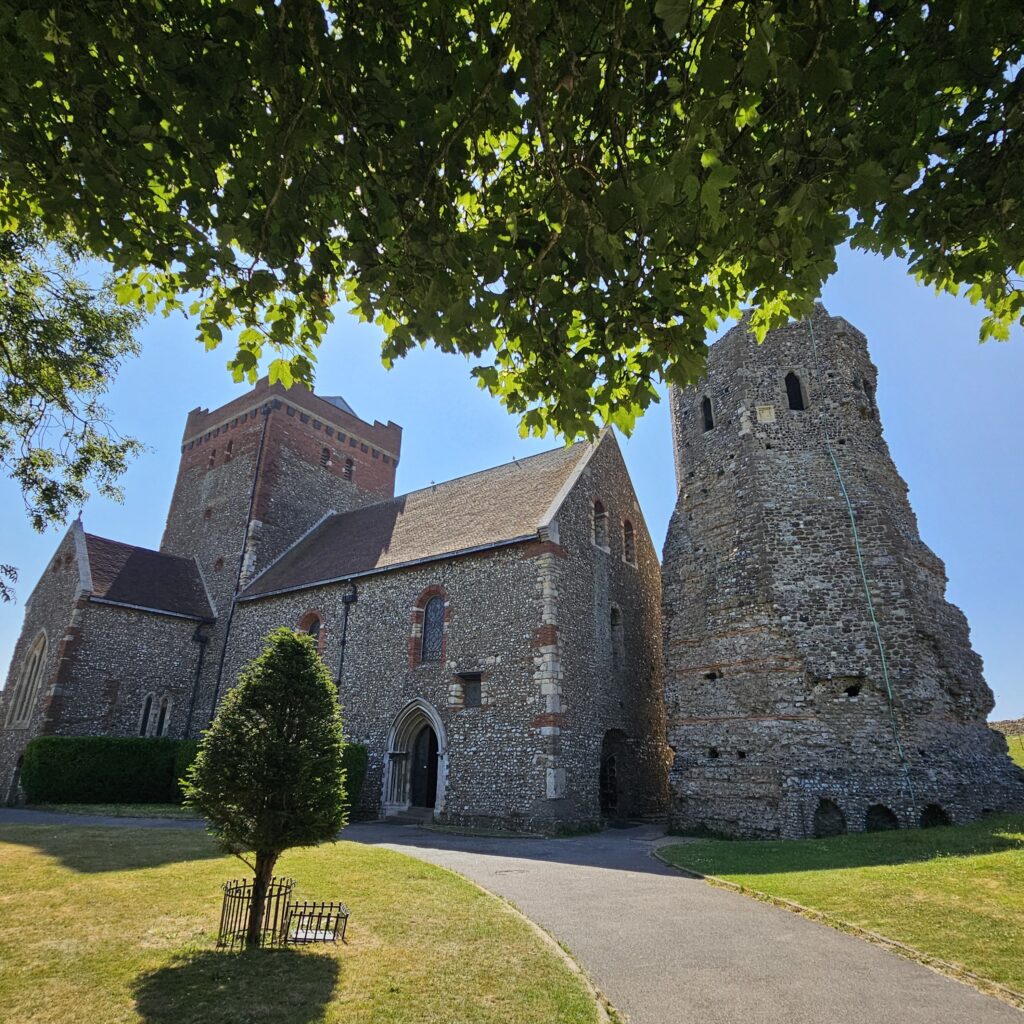
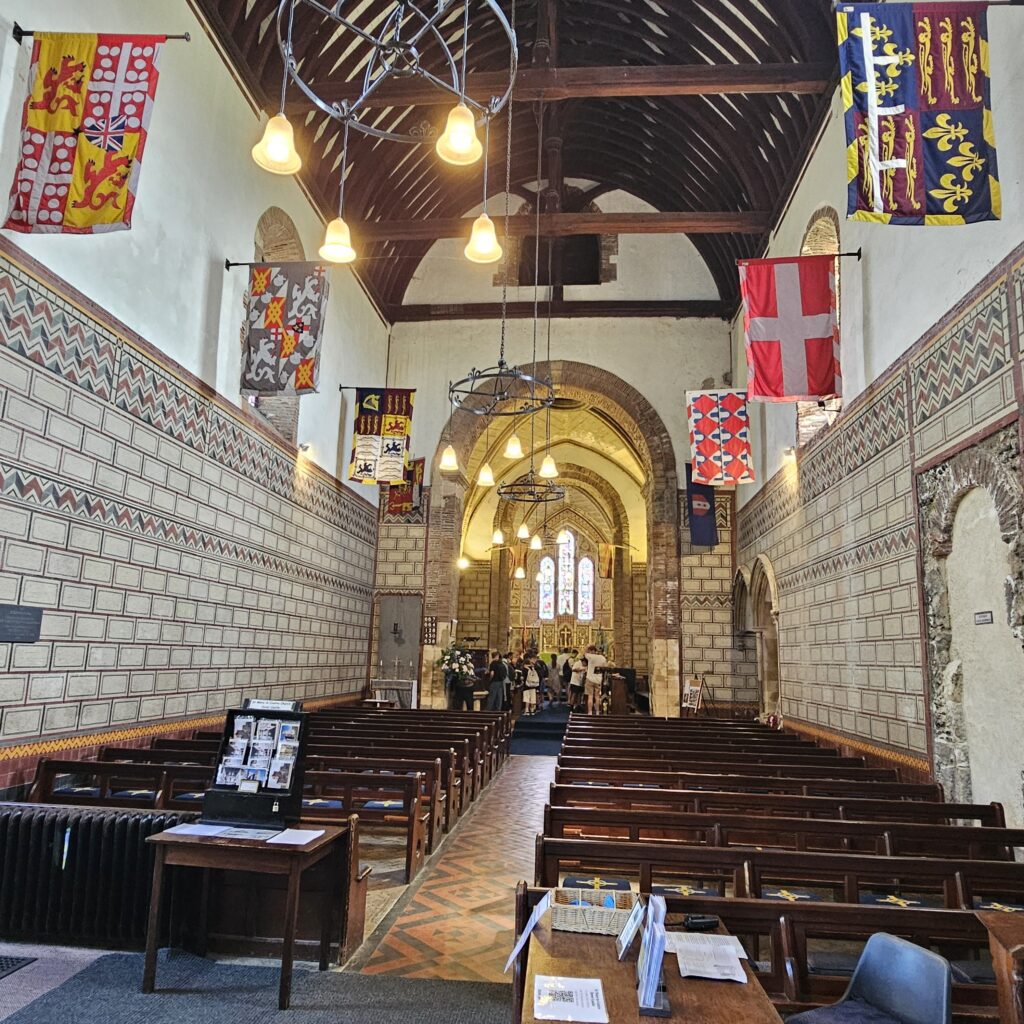
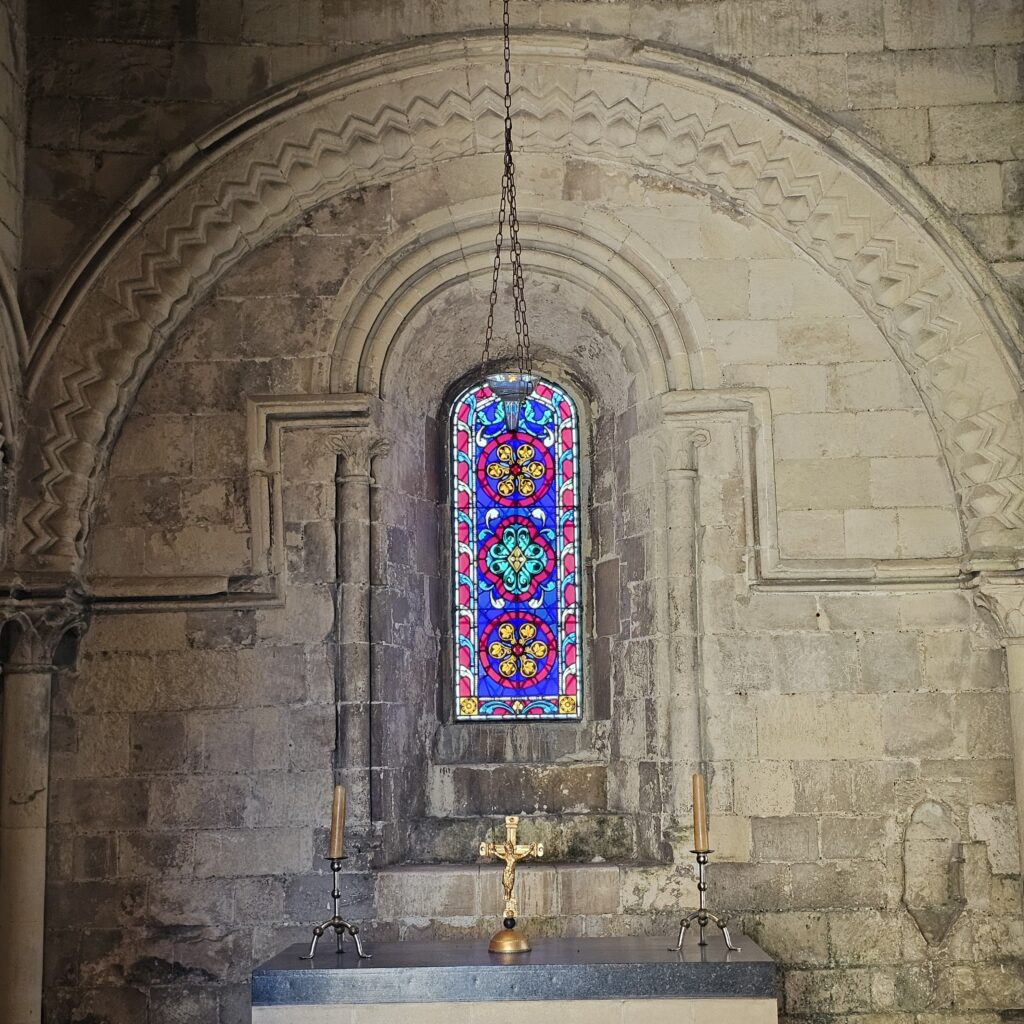
Amazingly, the Pharos (Lighthouse) was constructed in 2AD by the Romans, and most of it was still standing – in later years, it became the Church’s bell-tower! The inside of the Anglo-Saxon Church dating back early 600AD – St Mary in Castro – had been heavily restored and looked beautiful. We might have stayed longer, but ‘Class 3B’ had also arrived about the same time as us, obviously working on a school project and took up most of the room by the altar – time for a swift exit!! 😮
10.20am:
Inside the Castle
Today featured steps and lots of them! Our first encounter was heading for the battlements of the Castle and to look around the Great Tower.
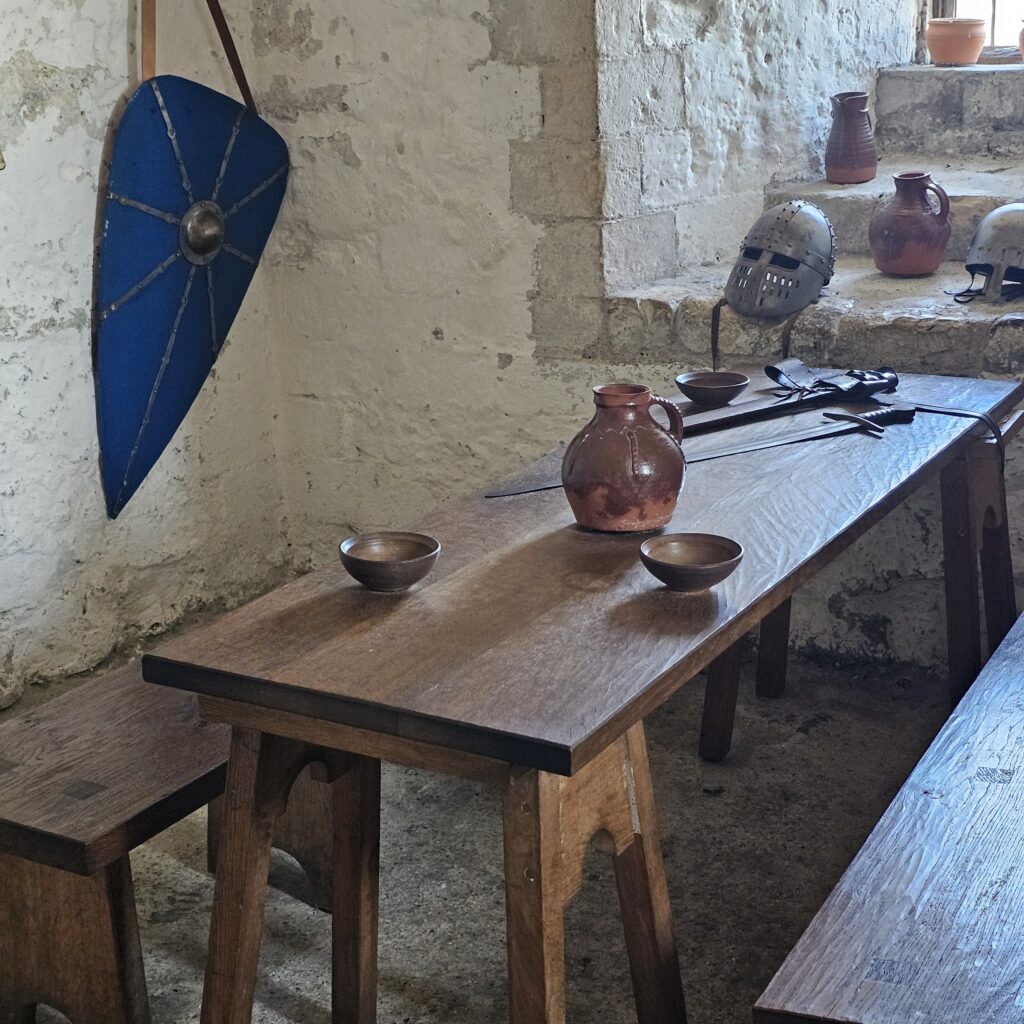
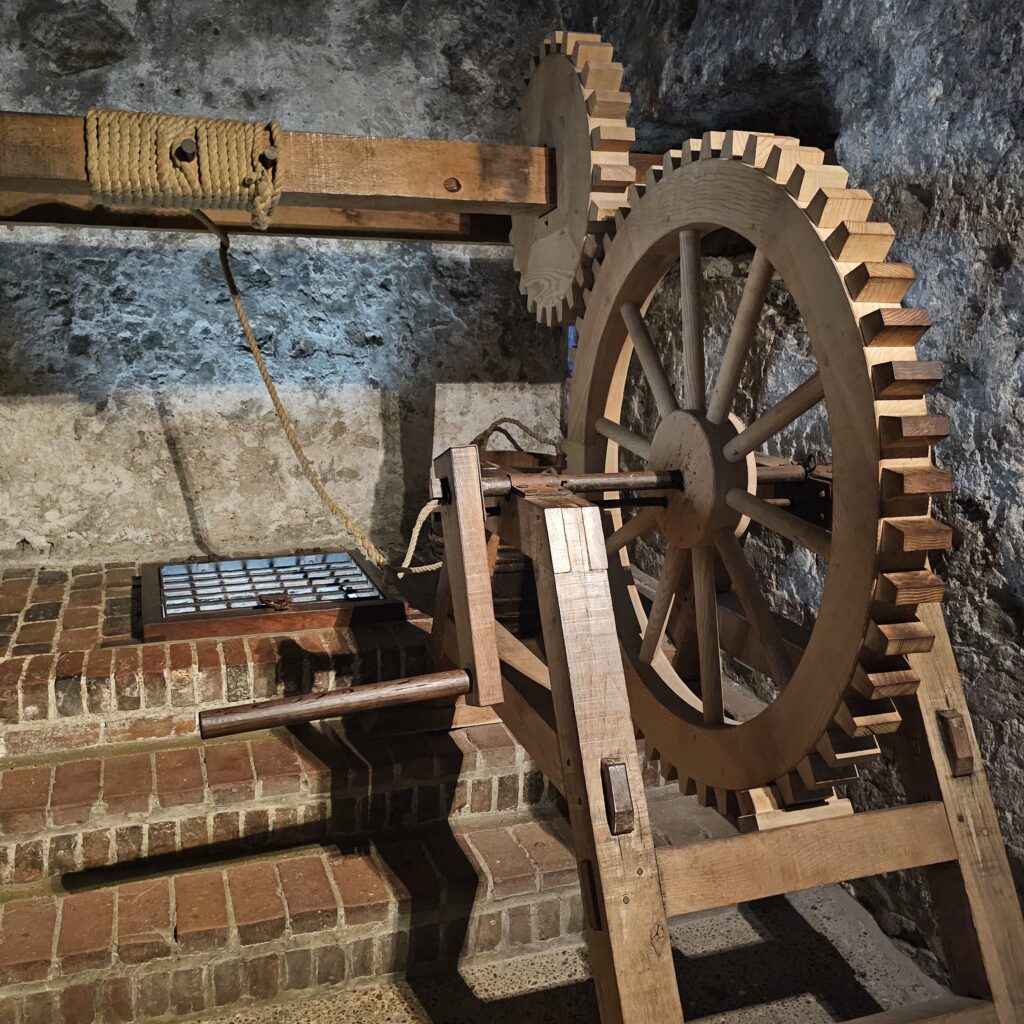
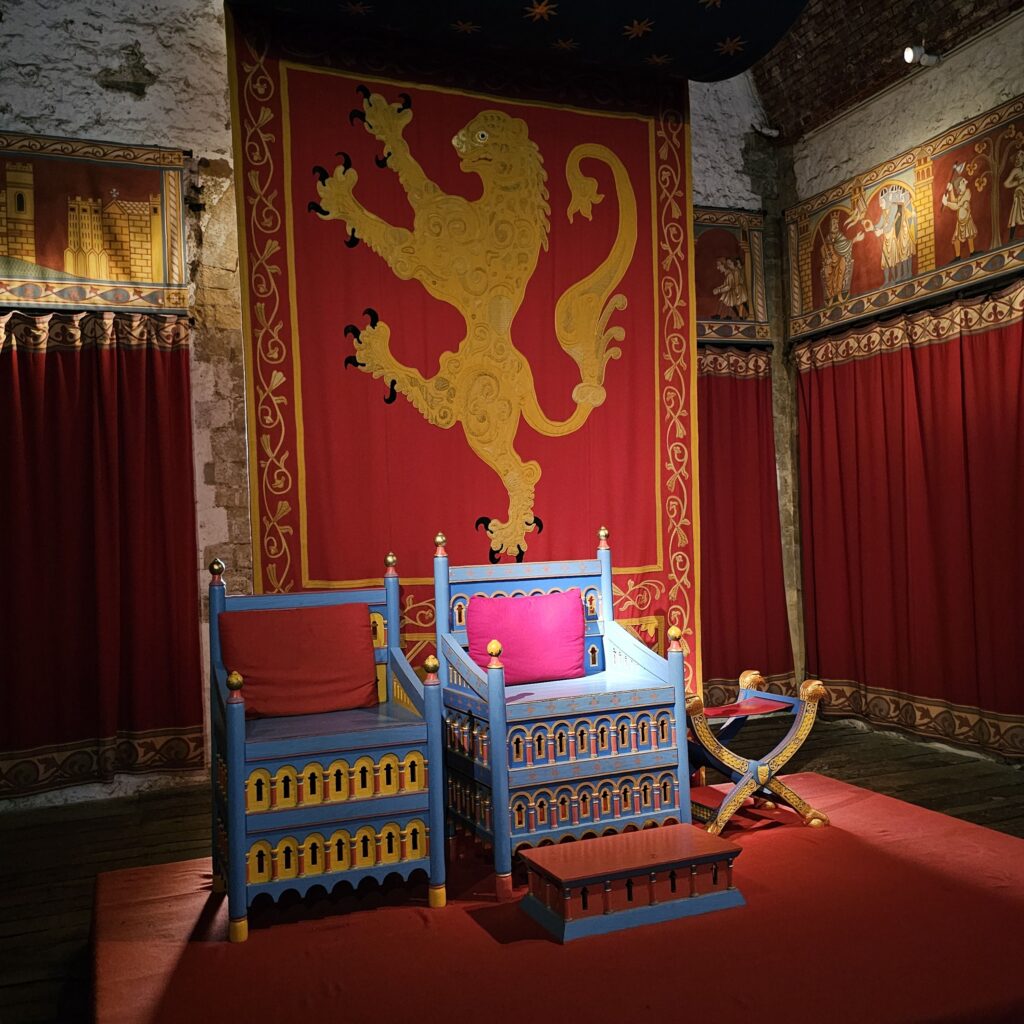
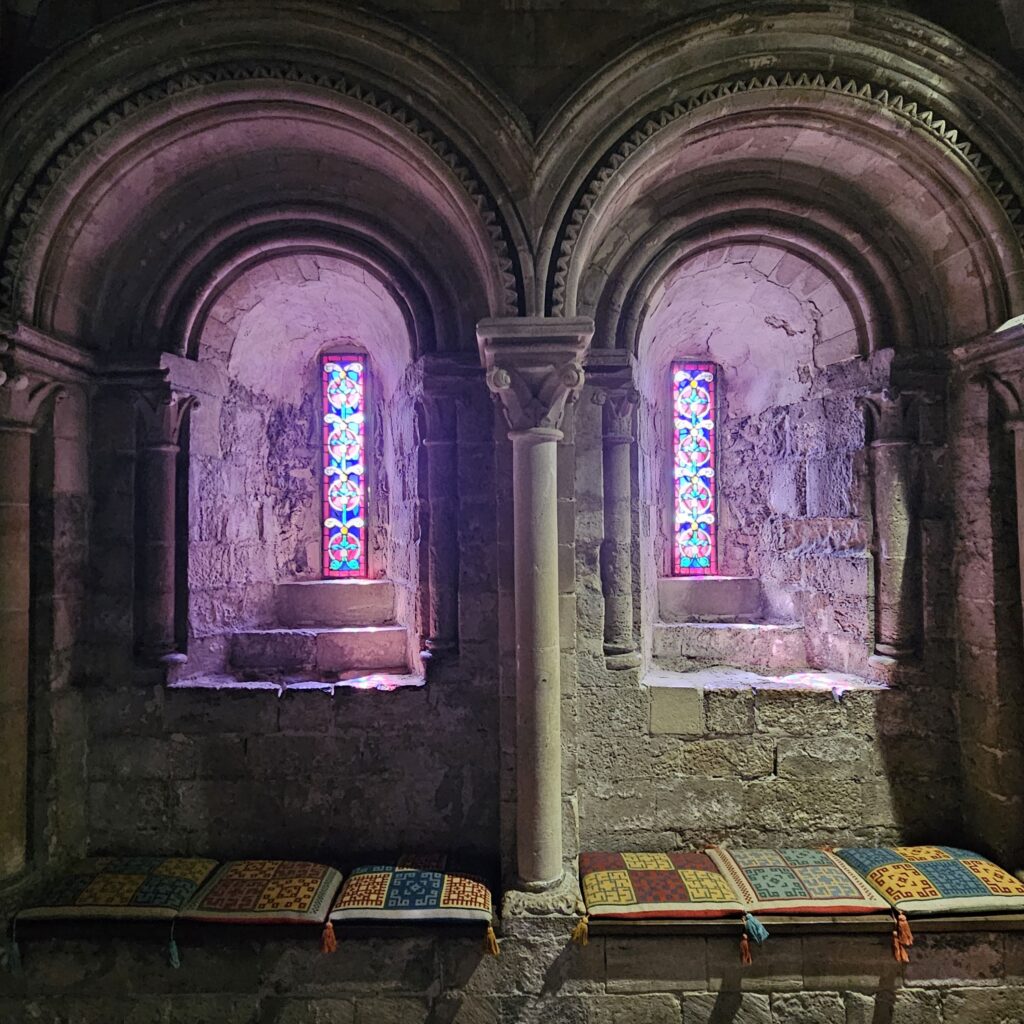
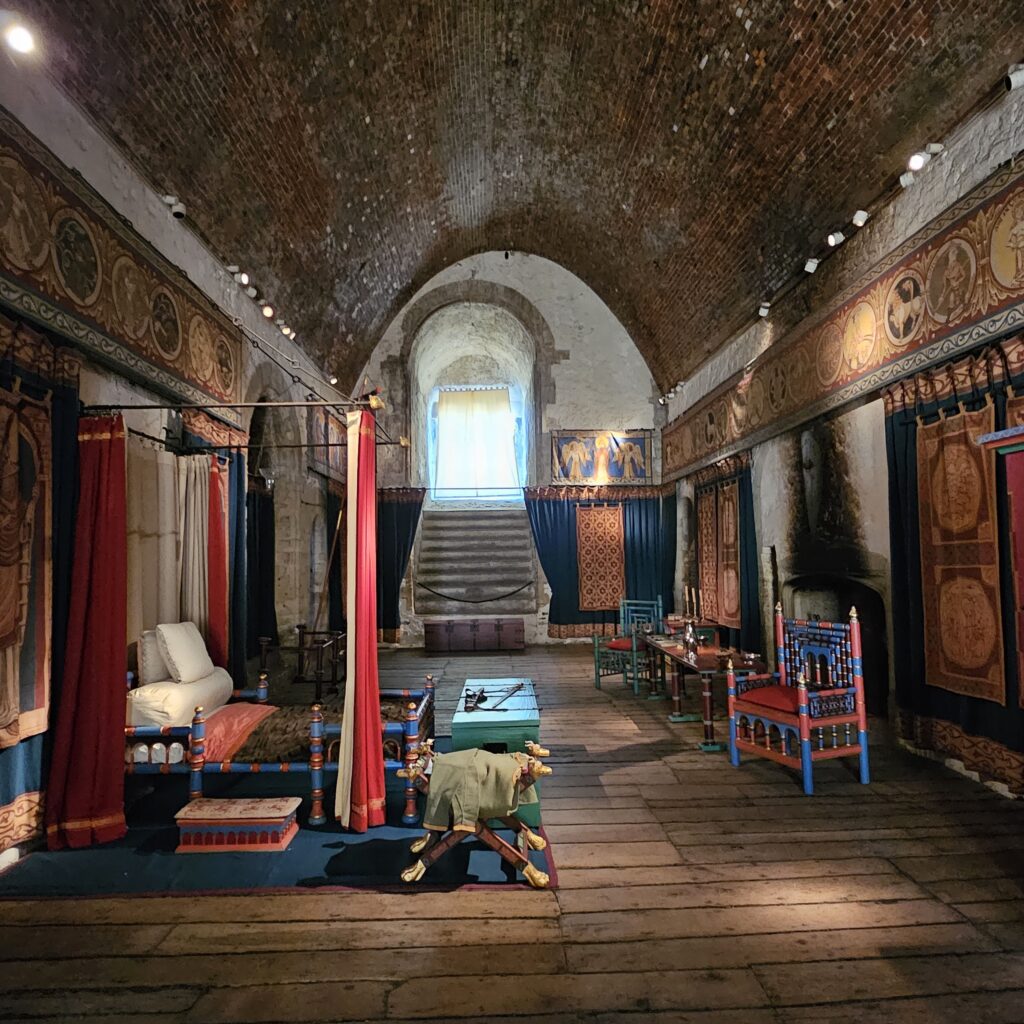
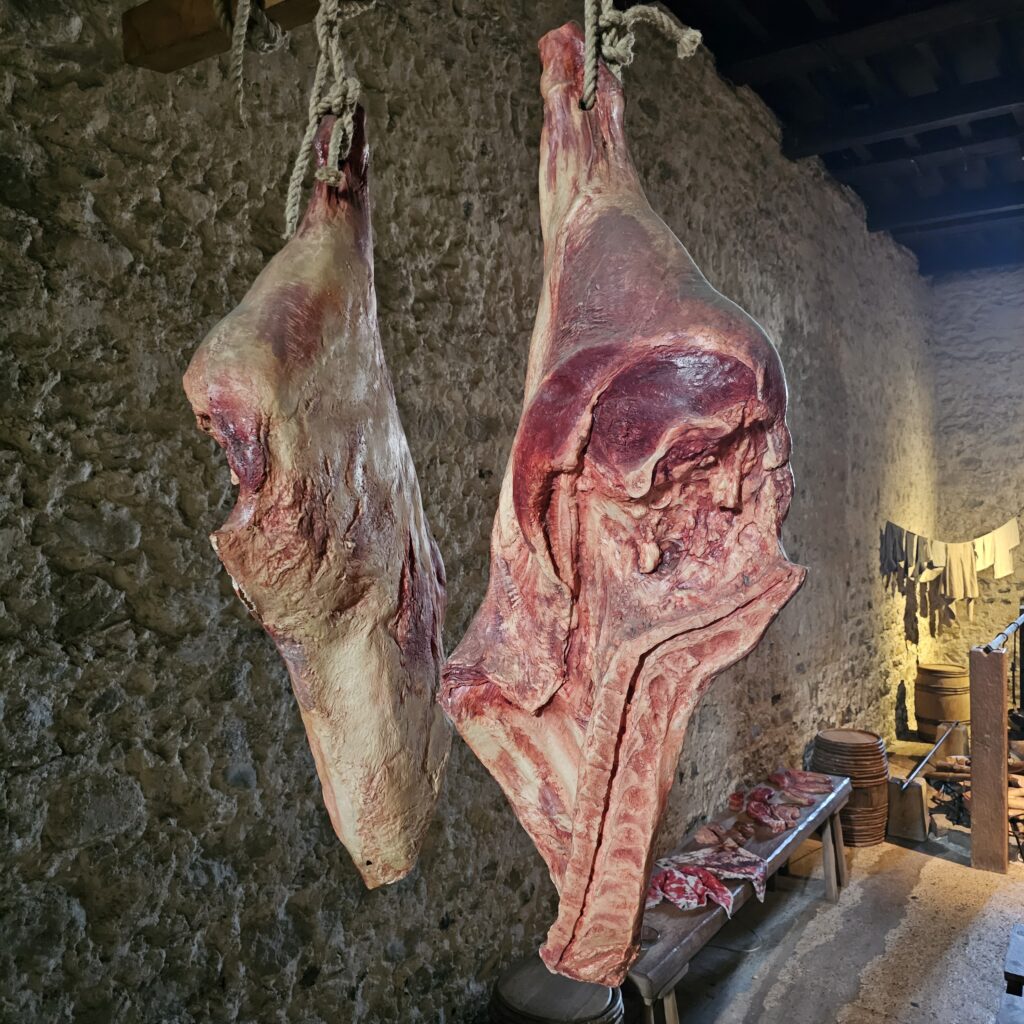
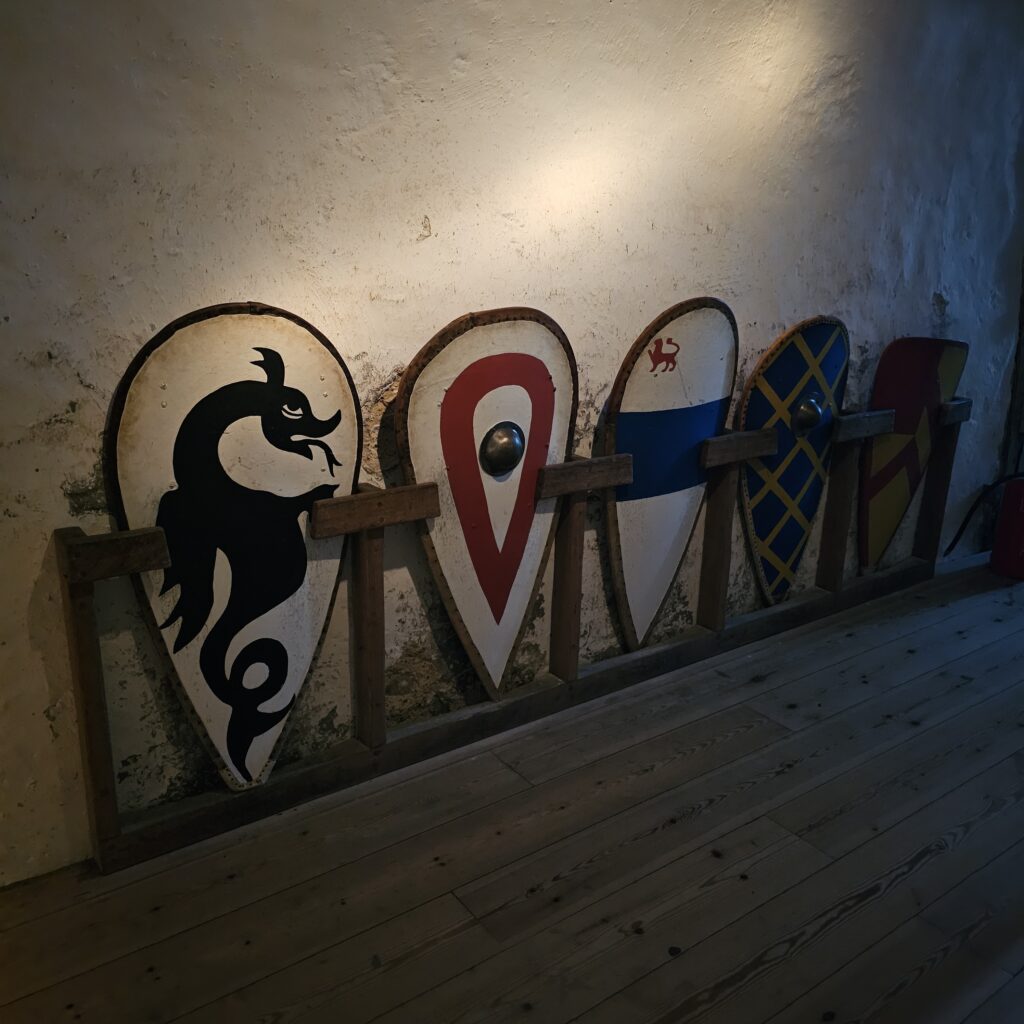
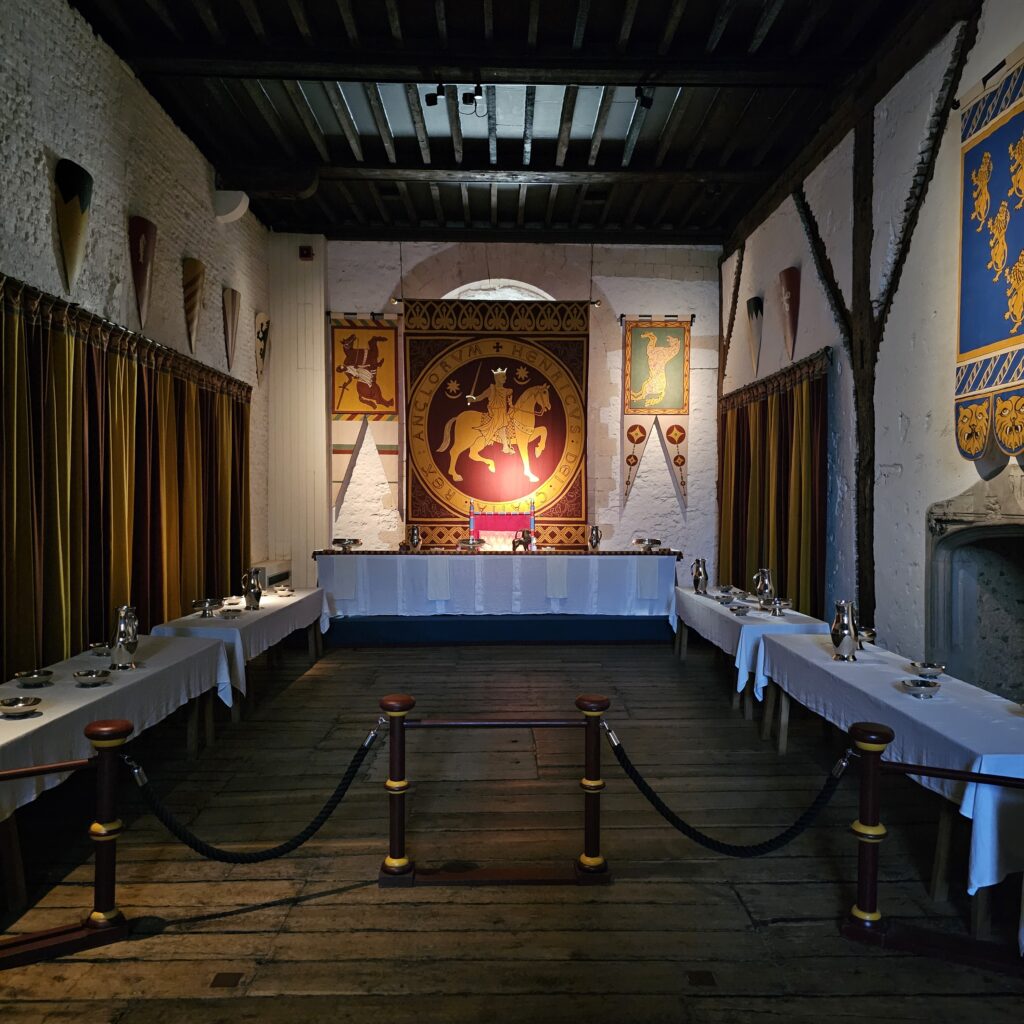
Every room was immaculate and had been decorated to reflect the period. There were plenty of Guides on hand to answer questions, although I wouldn’t have fancied their job today as it was already quite hot in the rooms.
10.35am:
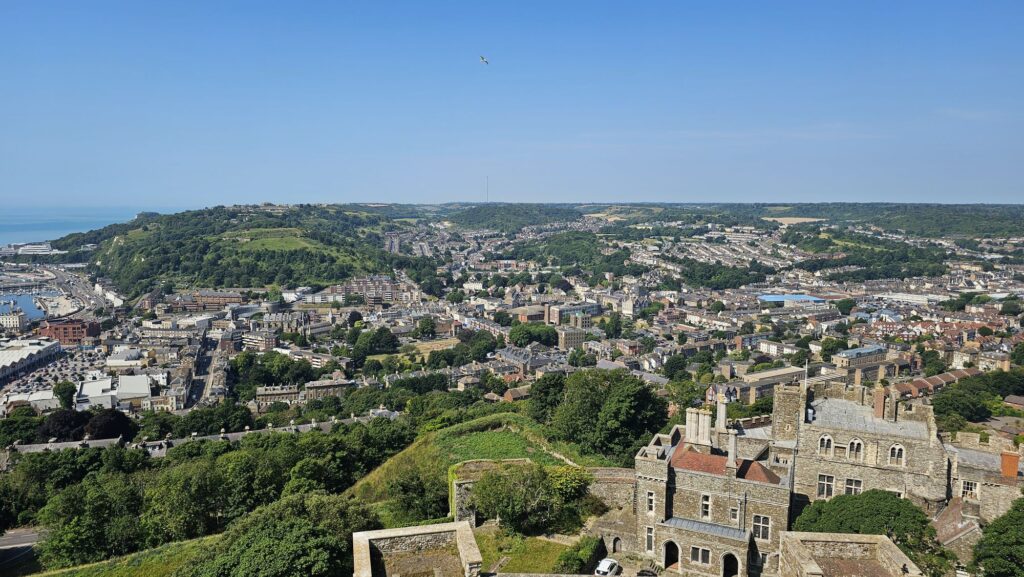
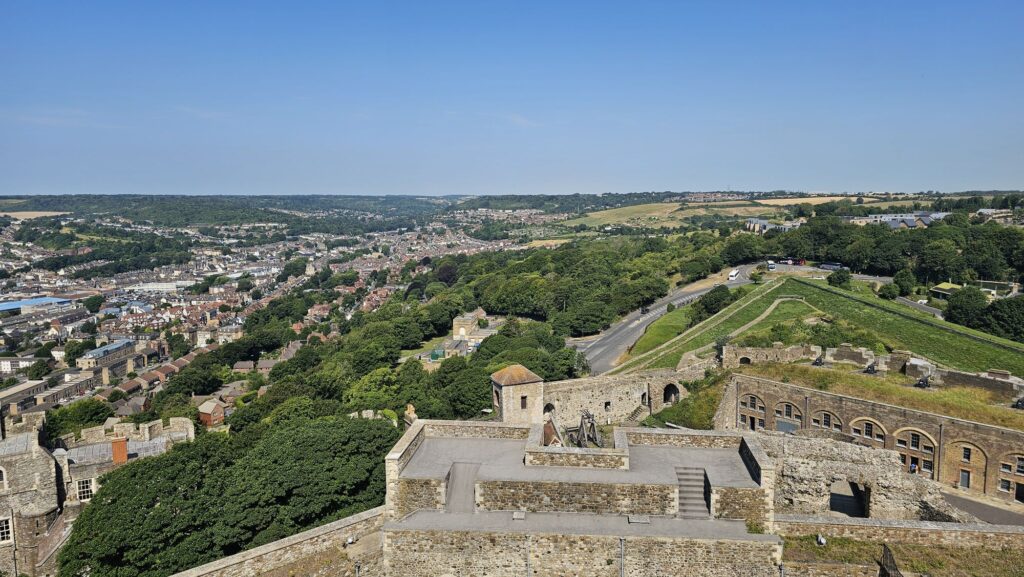
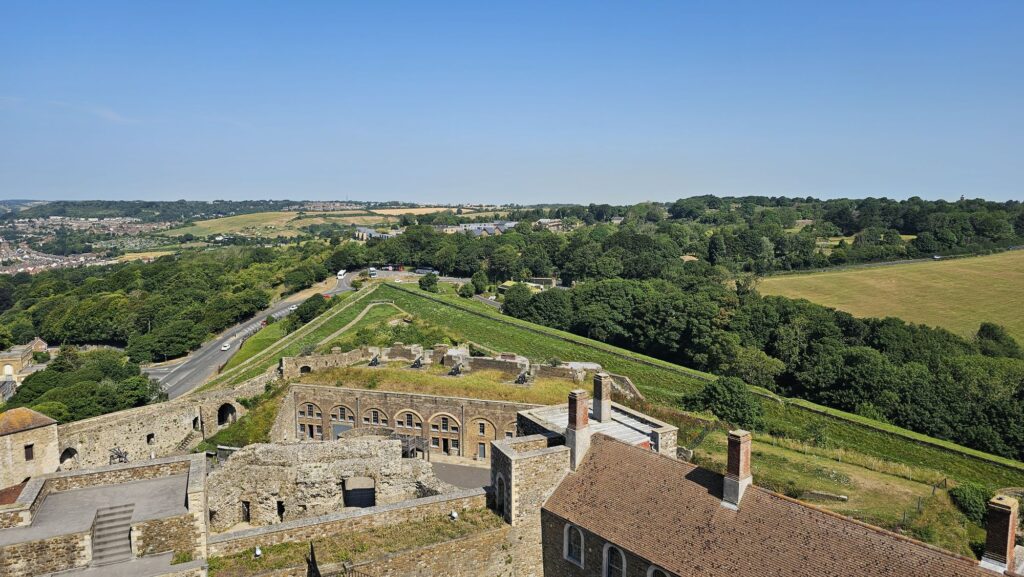
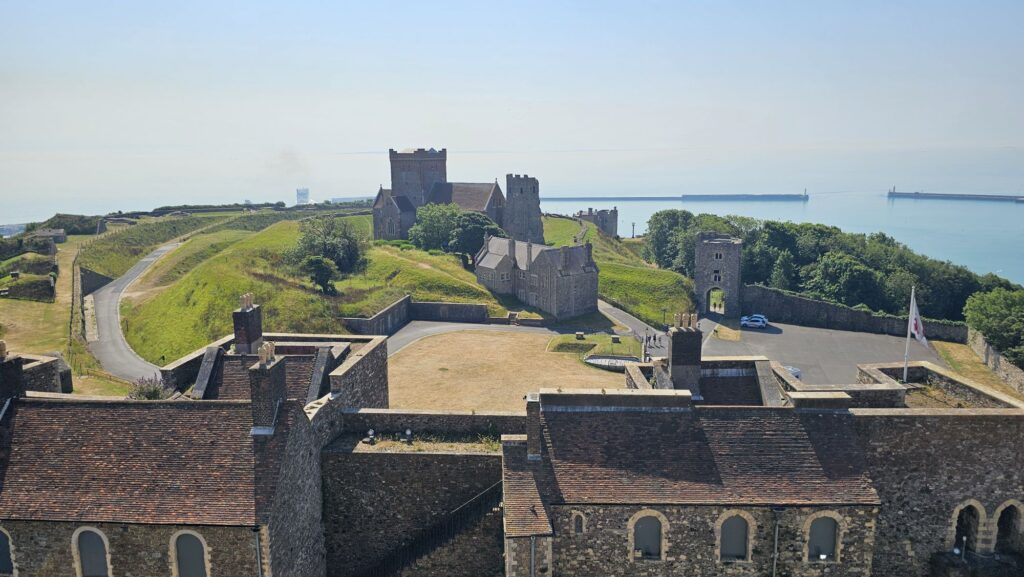
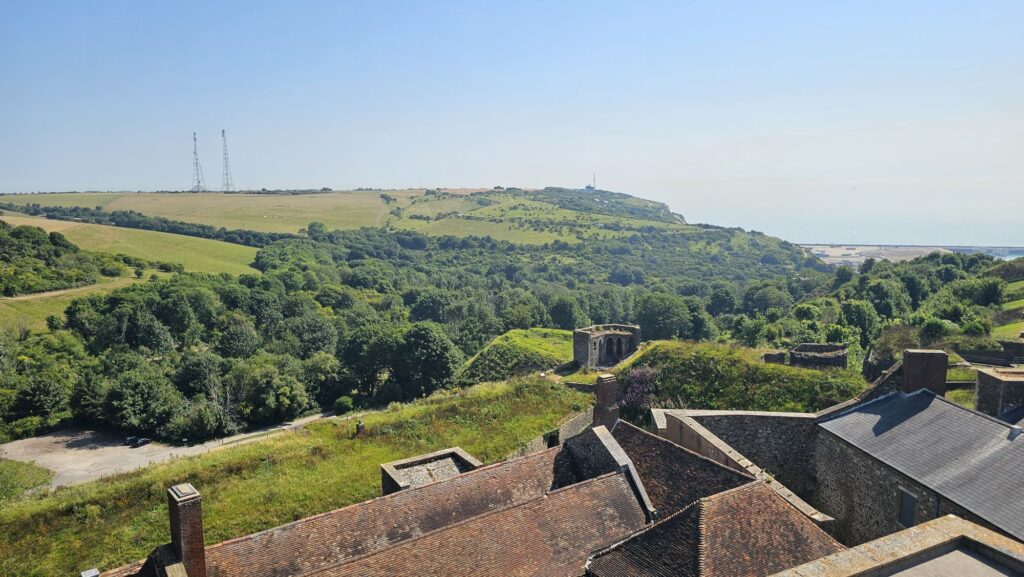
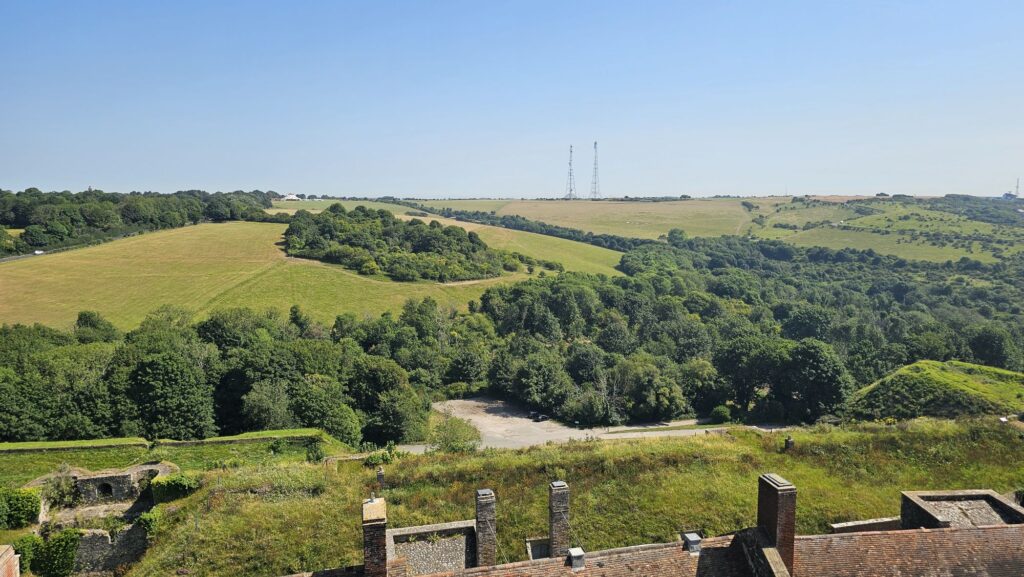
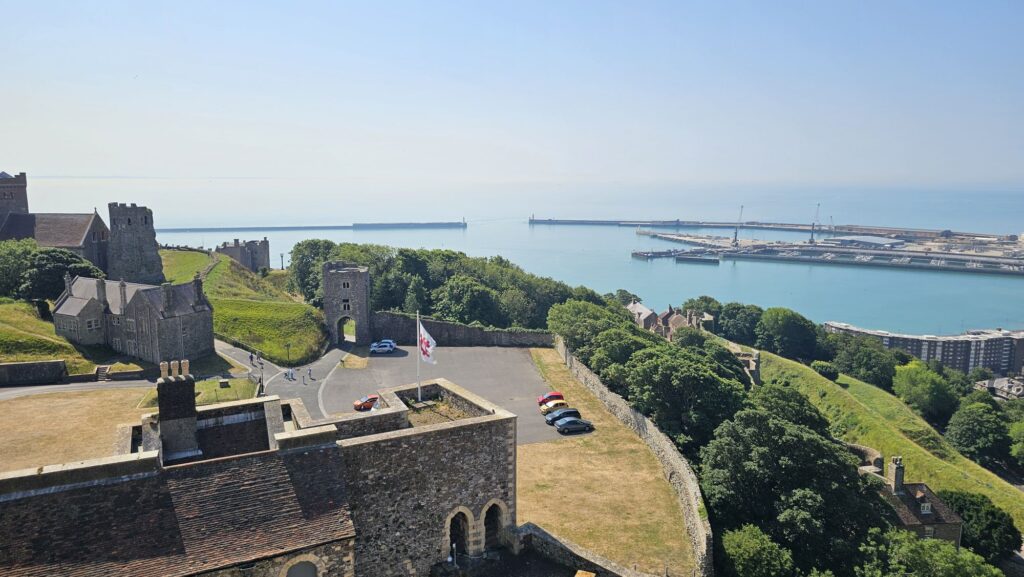
The View from the top
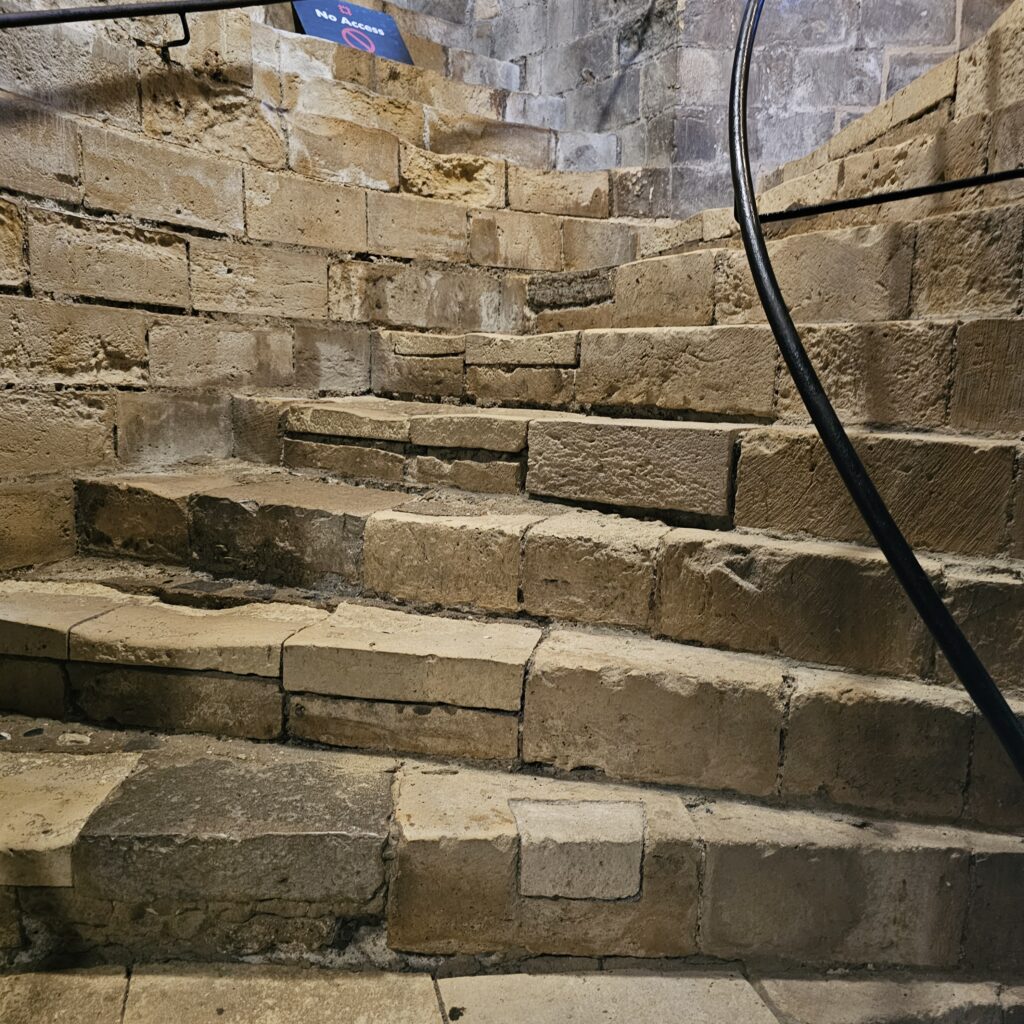
The climb to the top was worth it! I counted about 80 steps, but it felt more like 8000! As our feet slowly recovered, we admired the views from all four sides of the Tower.
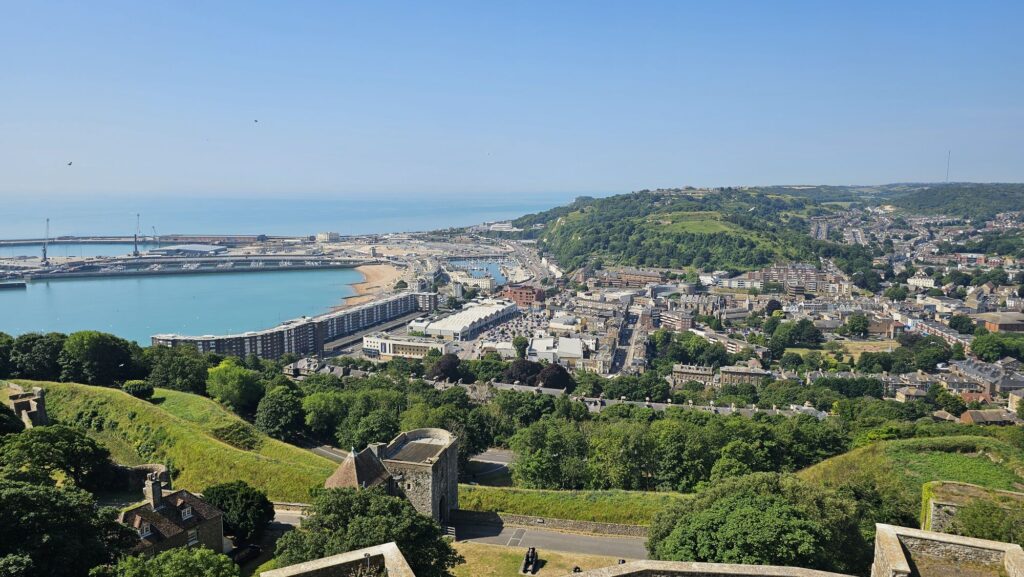
10.45am:
The Regimental Museum
We headed down a different set of stairs (still the same number though – I counted them!) Next stop? The Regimental Museum. The Regiments depicted here dated back to 1572, and there were plenty of exhibits on display to re-tell their respective histories.
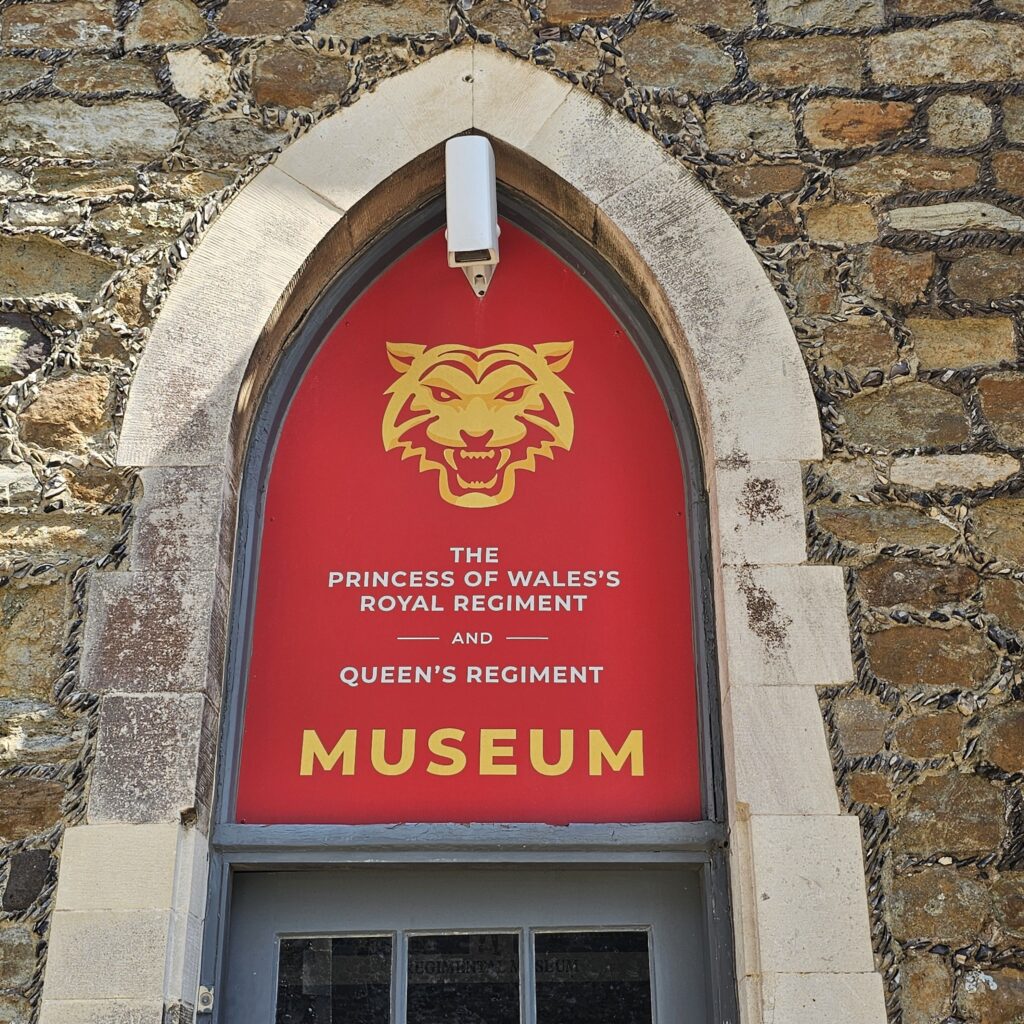
Admission was free, and the displays and exhibits had been put together with a great eye for detail.
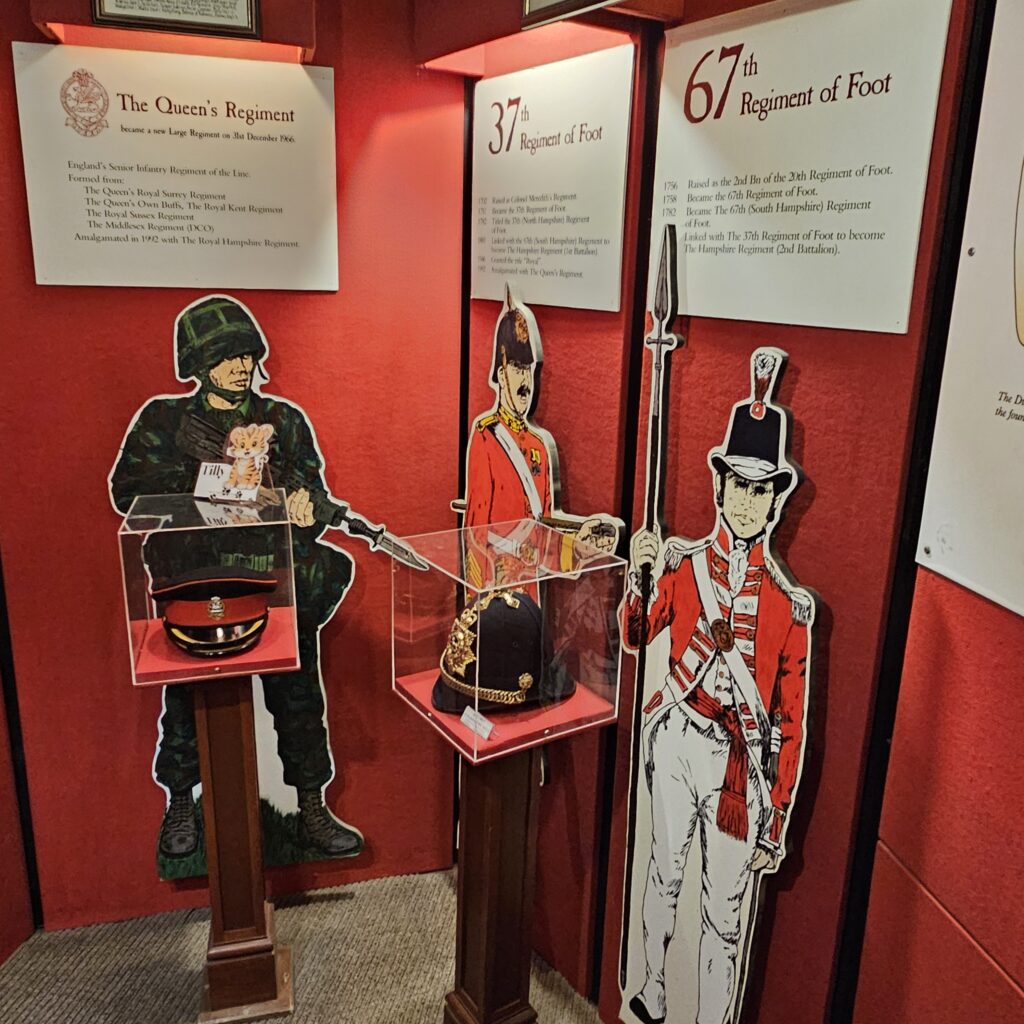
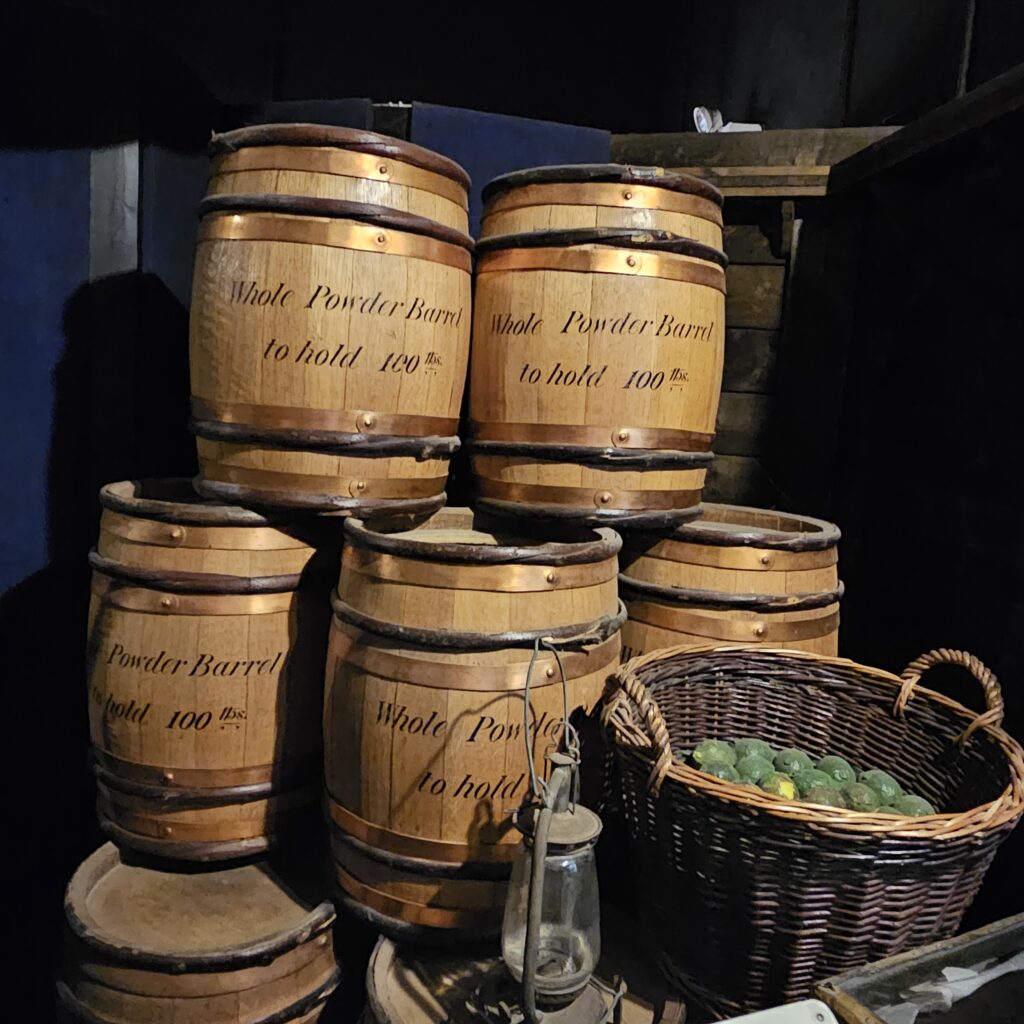
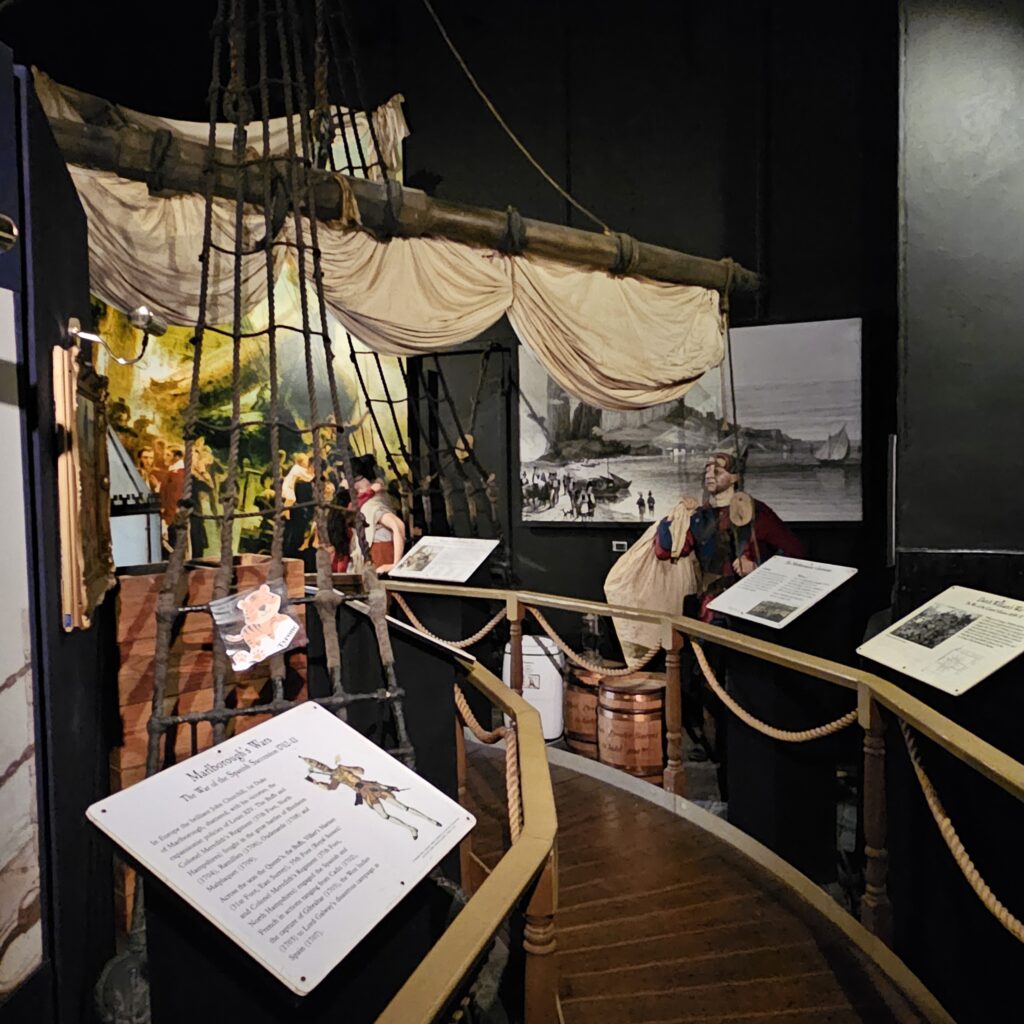
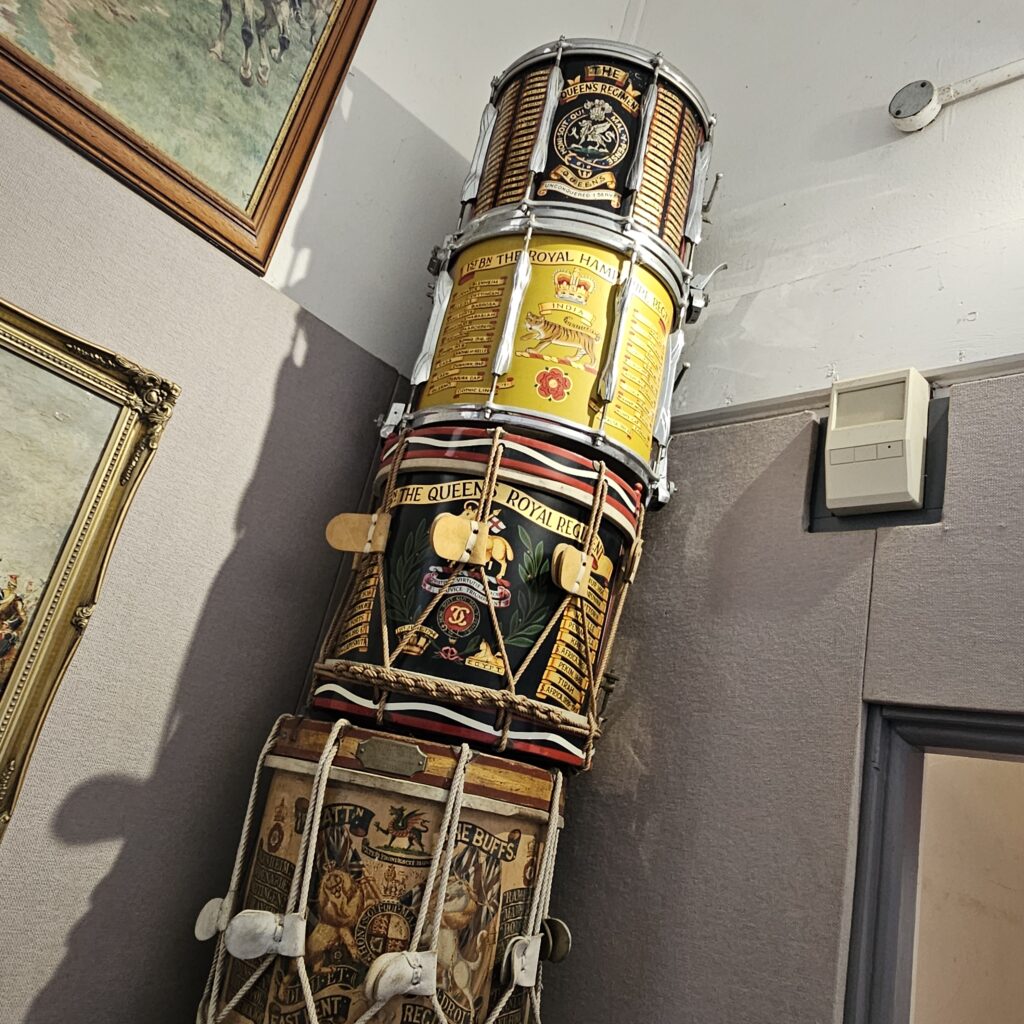
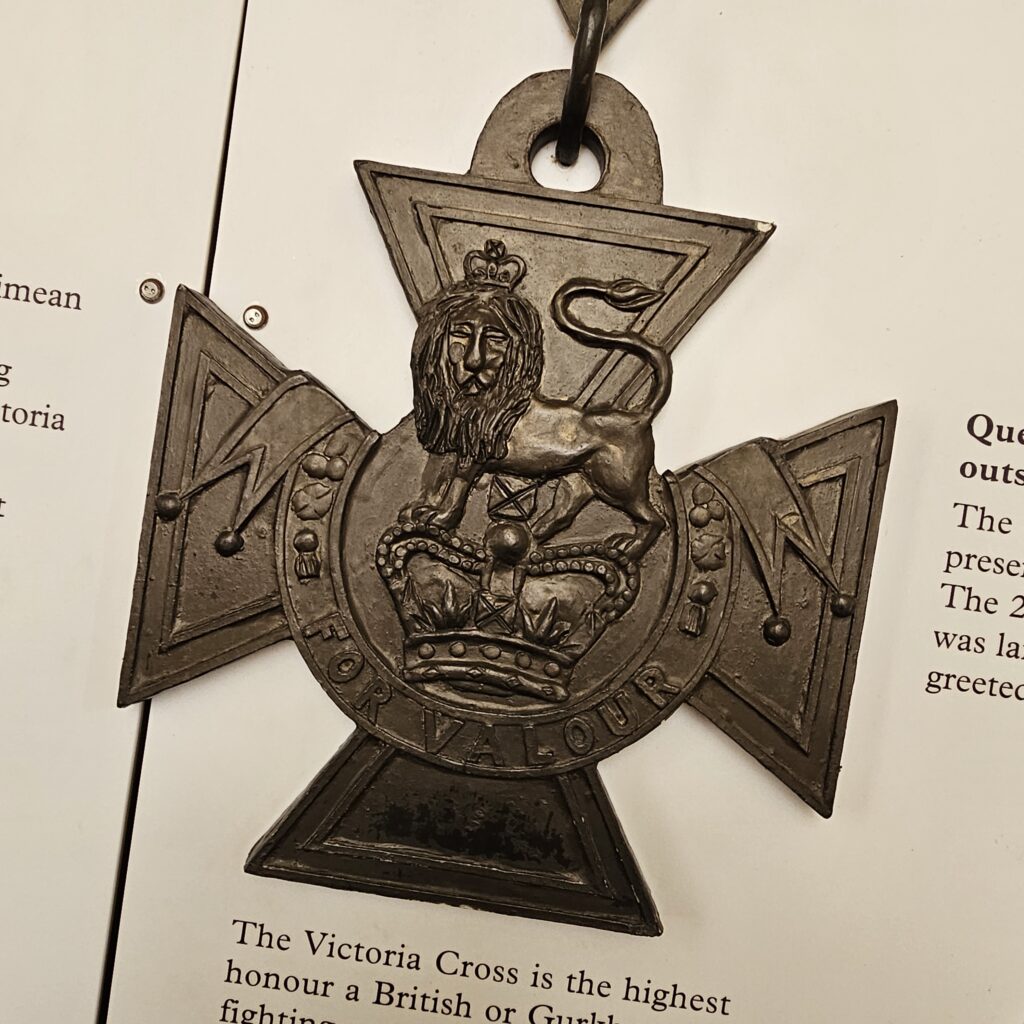
Even if you only have a passing interest in military history, it’s worth a look. It’s also worth visiting as it was nice and cool inside whilst outside had already hit 25℃ (and it was only 11am!) 🥵🥵
Tunnels, Tunnels and more Tunnels
The secret tunnels (well, not that secret these days!) are located beneath the white cliffs of Dover and Dover Castle. They weren’t just used in WWII, but served as a barracks for soldiers during the Napoleonic Wars too! Later, they were headquarters and a war hospital during the Second World War under Winston Churchill. The war theme continued in the 1960s, when it served as a Regional Seat of Government in the 1960s in the event of nuclear war.
Opinions seemed to vary, but one account of the tunnels suggests there are over 15 miles of them! 😮
11.20am:
The Spur Tunnels
The Spur Tunnels were built in the early 13th century to allow soldiers to quickly get to the northern tip of the Castle. They were remodelled in the 1790s to better assist the next generation to more effectively defend the Castle.
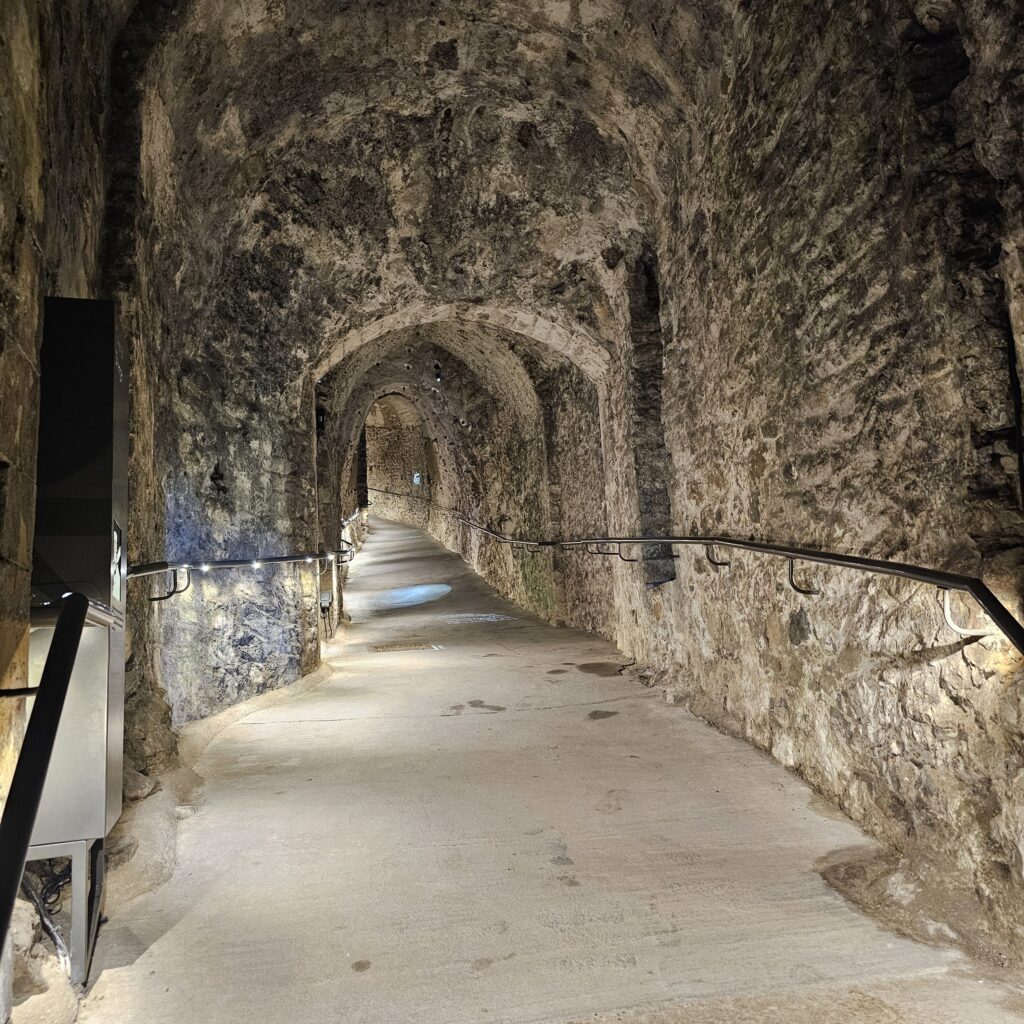
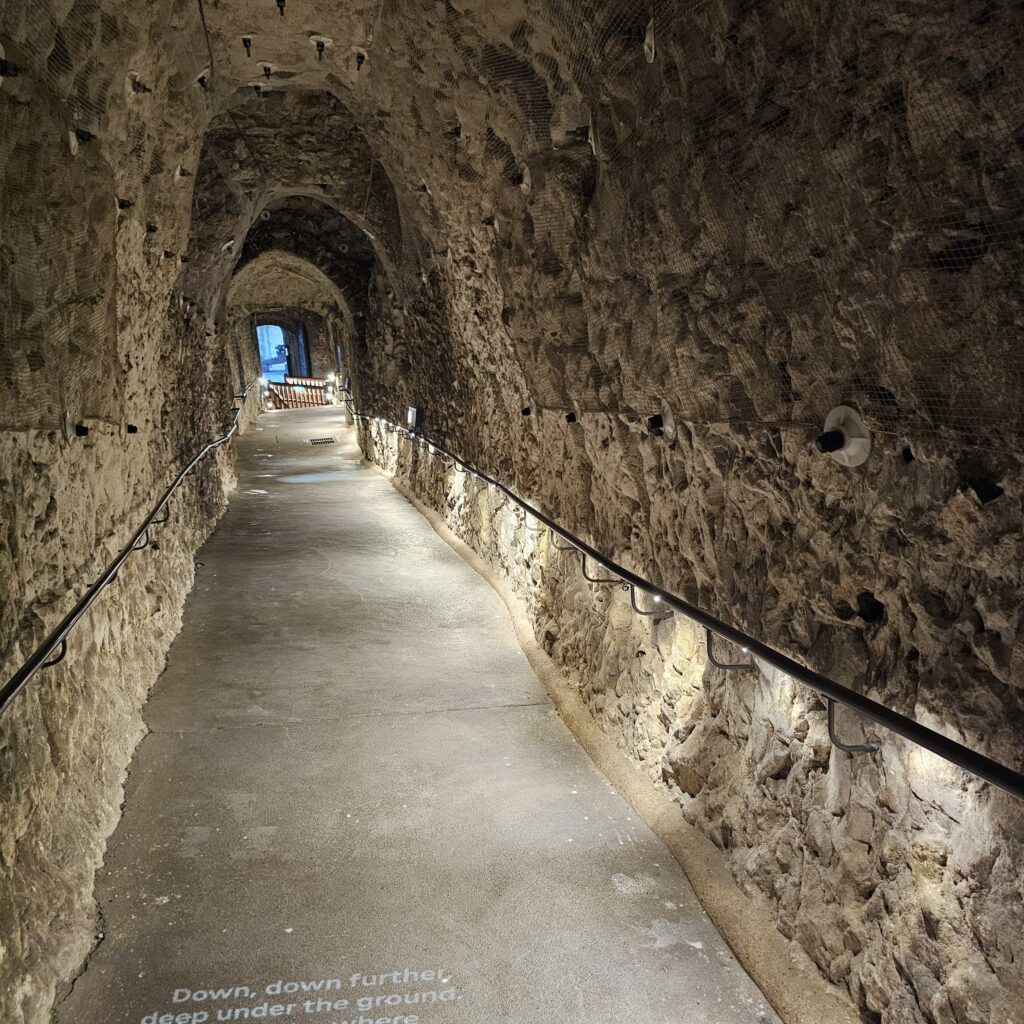
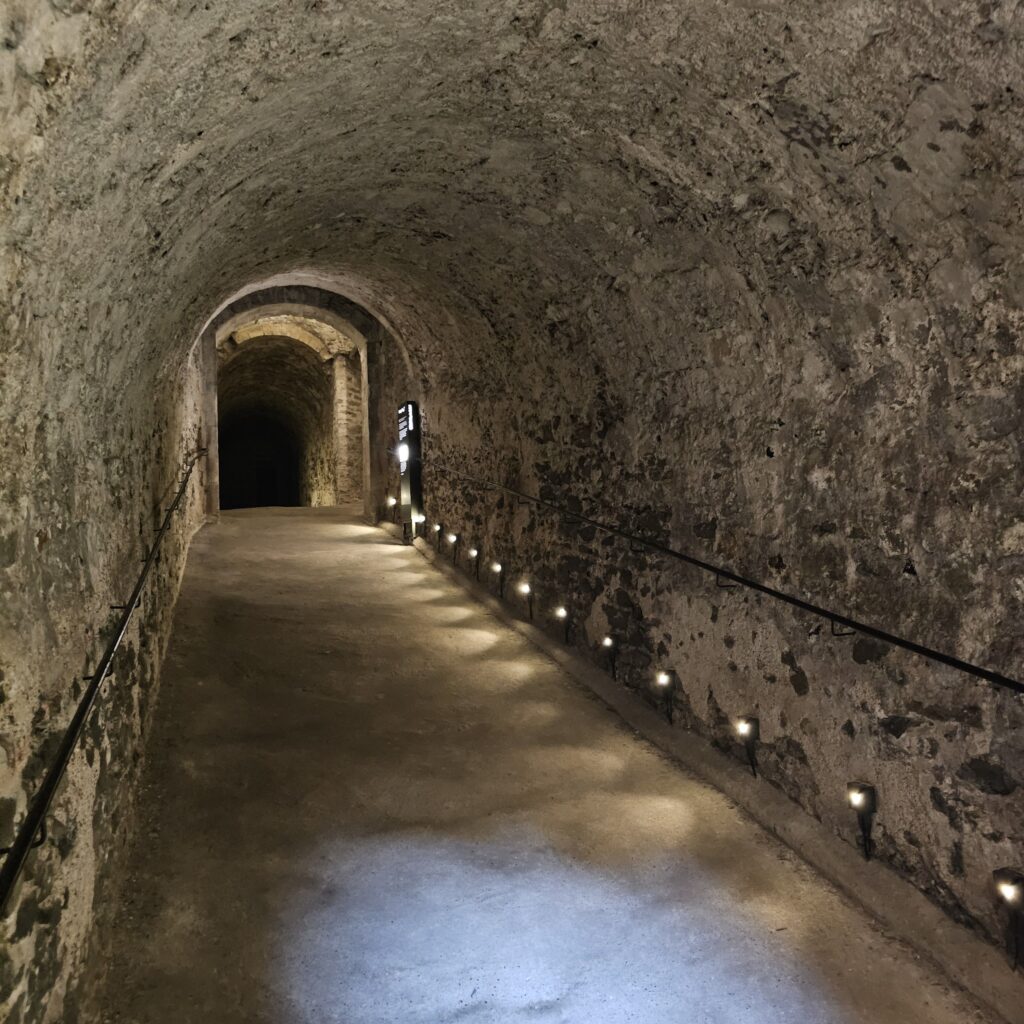
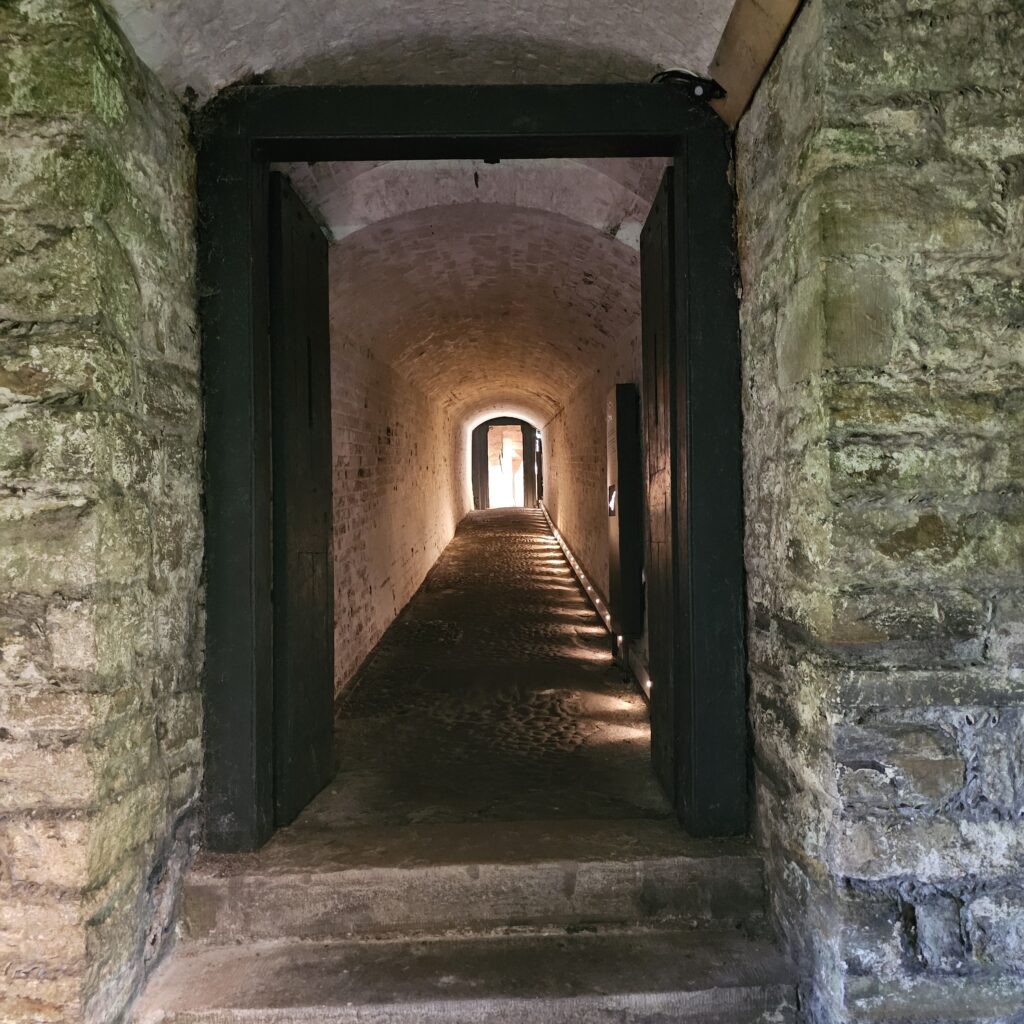
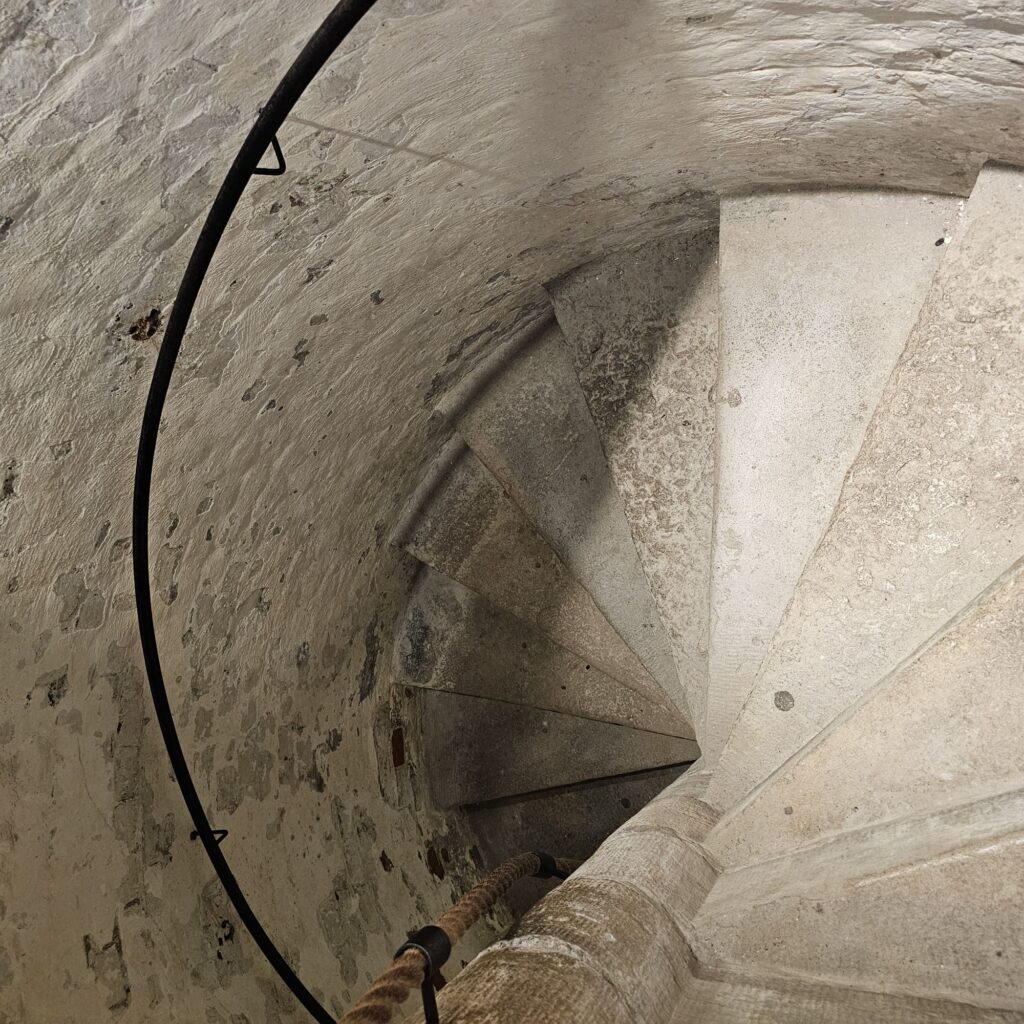
Yes, more stairs to get to the Tunnels!!!
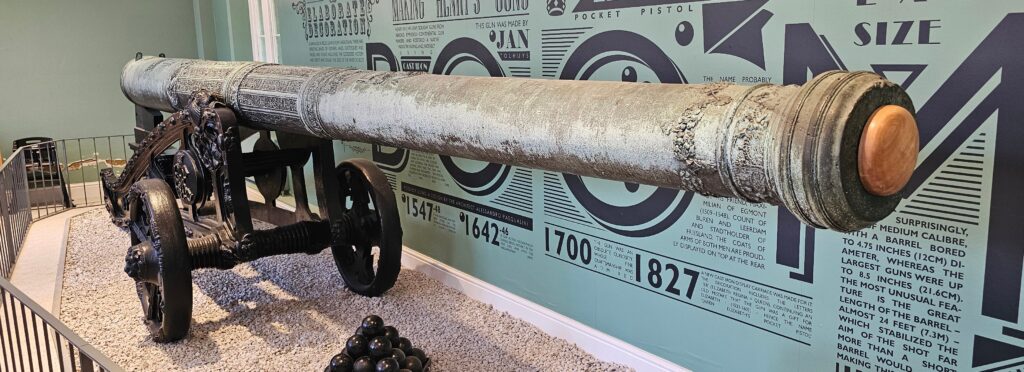
It was just coming up to midday, and we were both wilting with the heat. After a brief sit down in the shade we spotted something unusual in the NAAFI restaurant! We learned that (with a massive dose of irony) it was called the Pocket Pistol and it has quite a history. The 24-foot-long bronze cannon was originally cast in 1544. It is thought to have been presented to Henry VIII as a gift for his young daughter Elizabeth and is known to have been referred to as Queen Elizabeth’s Pocket Pistol by an article in the Gentleman’s Magazine from 1767. The cannon is thought to have been used during the English Civil War, described as ‘the Great Basilisco of Dover’.
12.05pm:
The WWII Tunnels (aka Cliff Casemates)
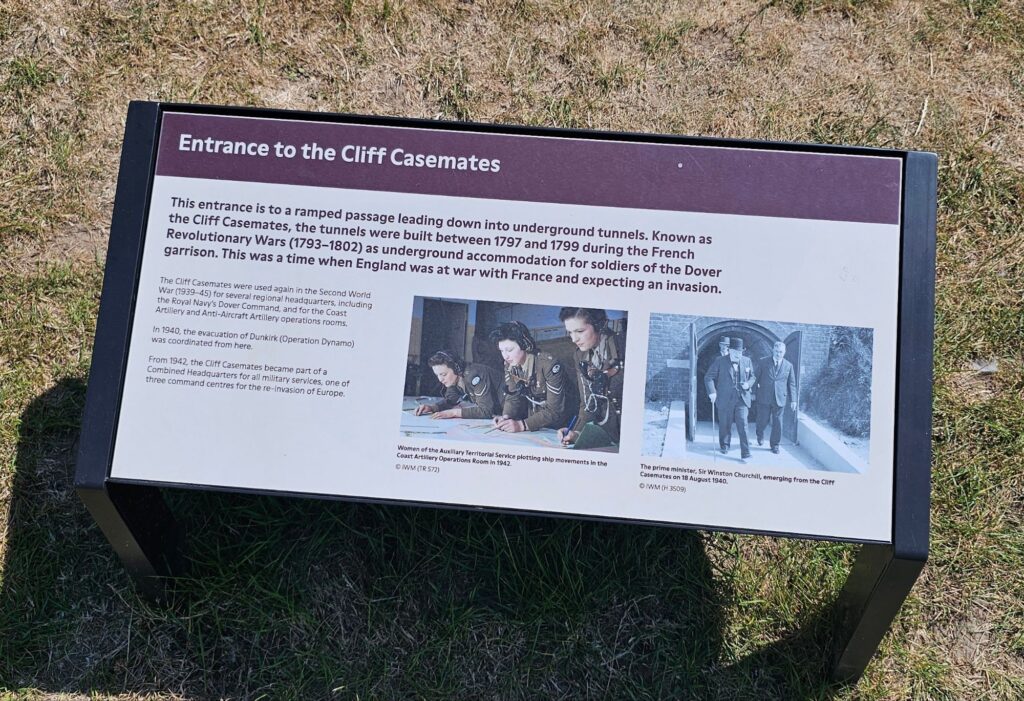
We were disappointed to learn that no photography was allowed once we descended into the Tunnels. No explanation was given, but we think that the Tunnels are still in use by the State (where’s my tin-foil hat? 😂). Amazingly, they date back to 1793 and have been used on and off ever since in times of war. More especially from 1942 when they became a combined HQ for the military services. They are probably more famously known for where the Dunkirk evacuation of May 1940 – codenamed ‘Dynamo‘ – was masterminded.
The Tour itself lasted around 45 minutes and was part AV and part explanation by Kate our EH Guide. Quite a lot of walking, often in semi-darkness, gave a good feel for how it might have been for those who HAD to be here over the centuries.
1.03pm:
The Hospital (more Tunnels!)
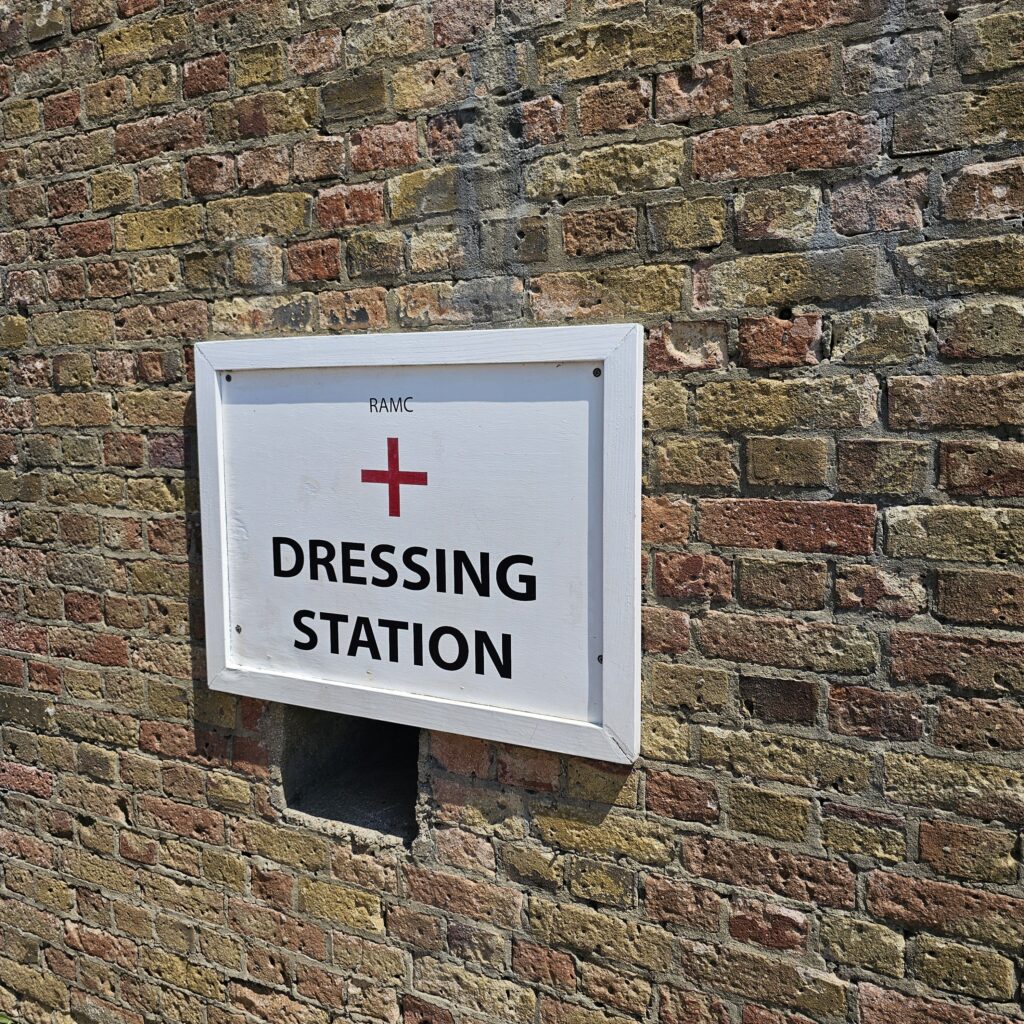
Just like the War Tunnels, no photography was allowed in here either. Our Guide, Cara, explained that the Hospital aka ‘Dressing Station’ could look after as many as 100 patients, supported by 200 trained medical staff. Built in 1941–1942 as an annexe to the military command tunnels, it features a fully-equipped operating theatre and wards.
The Tour itself took an imaginative approach. Led by Cara we travelled through the myriad of tunnels supported by a recorded commentary complete with authentic period sound effects such as air-raid sirens and voices of the doctors and surgeons of the time. Flickering lights and complete blackouts added to the authenticity.
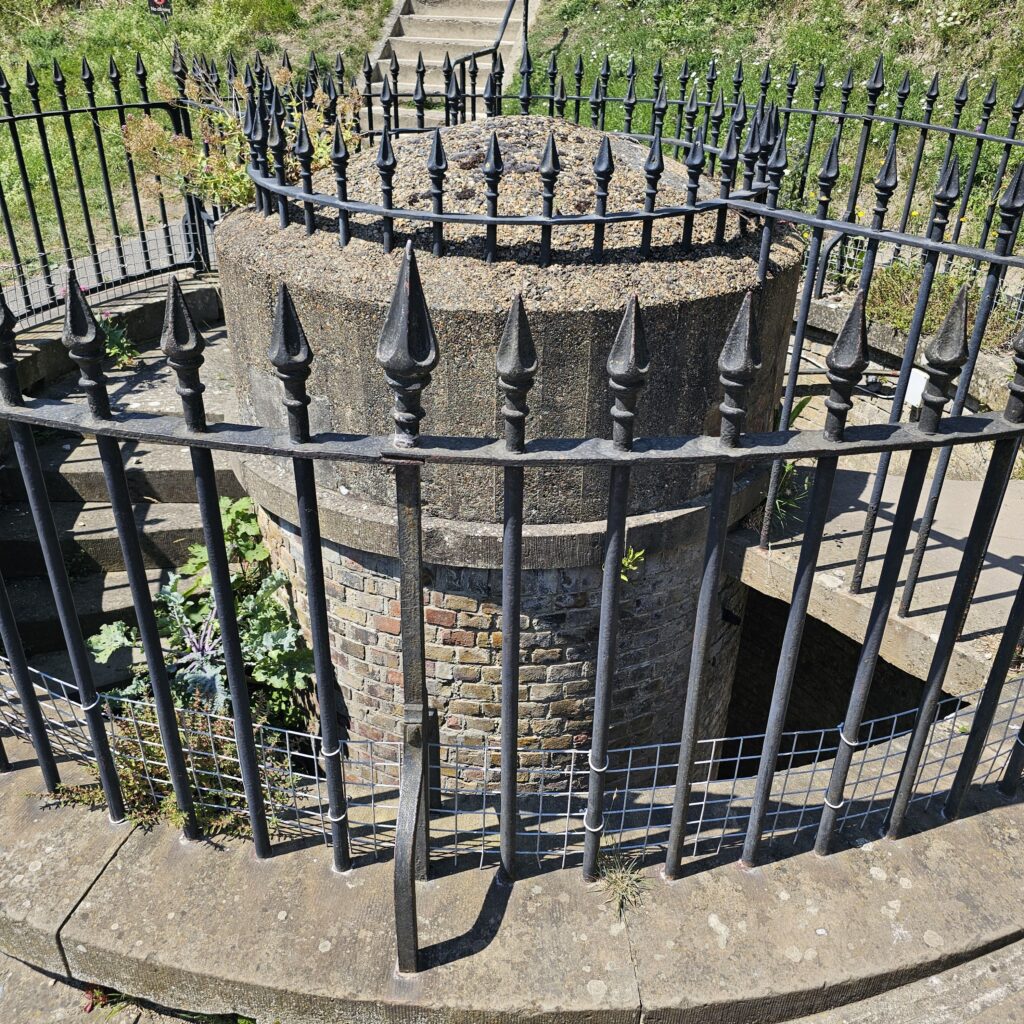
Not being allowed to take photographs was a definite disadvantage, whereas, unlike next door in the WWII Tunnels, we couldn’t think of a reason why not. We ended our tour with MORE STAIRS 😮… and the famous ‘double helix’ staircase that allows two groups of soldiers to ascend/descend without literally running inot each other!
1.45pm:
Phew!
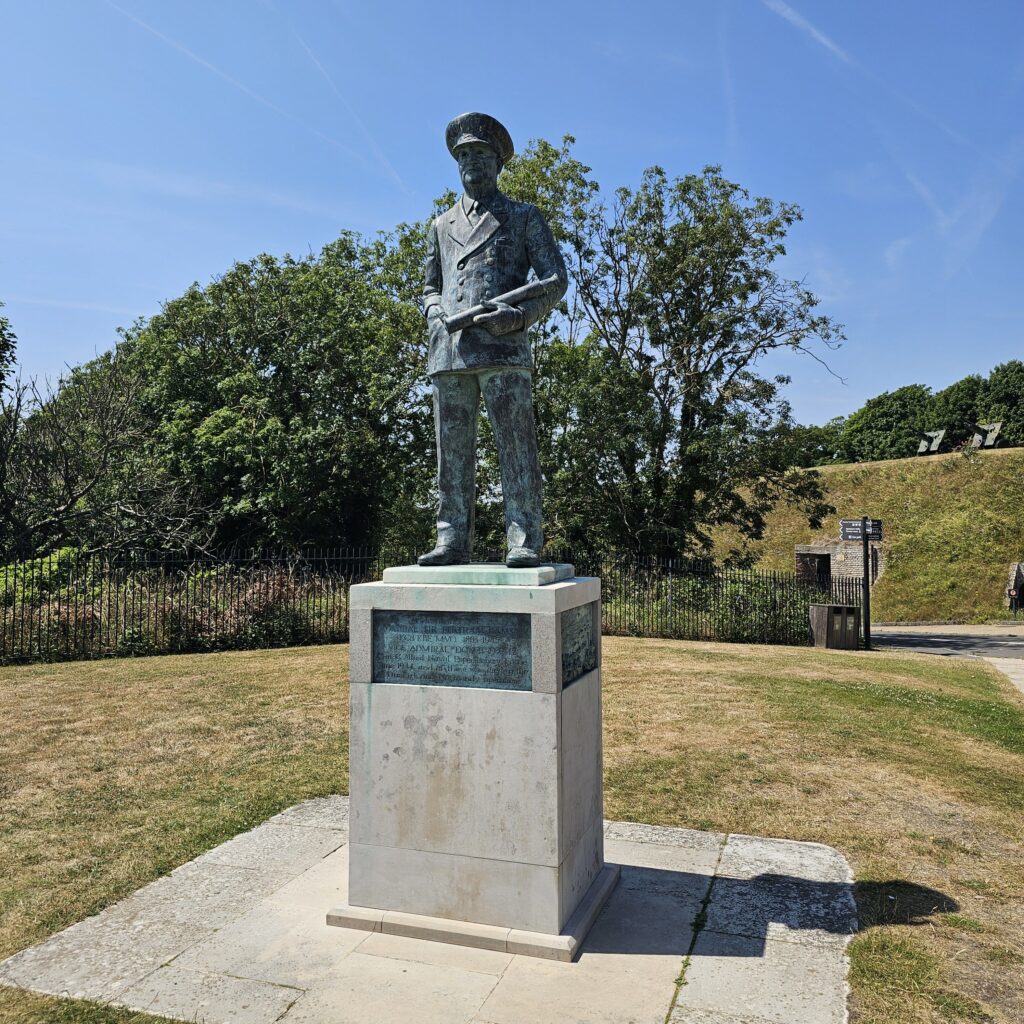
We ended our visit at the Memorial to Vice Admiral Sir Bertram Ramsay (unveiled in 2000), who planned and directed Operation Dynamo. And that’s when we decided to call it a day. It was now so hot, the best place would have been in the Tunnels!
2.05pm: Lunch
We usually cover these sort of places at some pace, but this one still took us 4 hours – and we could have probably spent even longer here! There’s a lot to take in but the staff here were great – helpful, happy, enthusiastic and professional – just like their colleagues at the other two Castles we’ve visited. After a quick picnic lunch it was back to the car and a stop off at Aldi in Deal for a top-up charge for EVie.
Time to pack when we get back – for our departure tomorrow, just after 9am.
Tomorrow
We say goodbye to our Castle Capers and head for Maidstone for a single-night sleepover and to catch up with friends in nearby West Malling.

I got into blogging quite late in life, not publishing my first post until 2004 – well into my 40s! My lifelong love of technology and communication (in all its forms), together with a fondness for the art of writing seemed to be the perfect combination to contribute a few words to the online community. But I’m no Samuel Pepys! If you’re looking for deep and meaningful comments on a variety of subjects, then you’ve arrived at the wrong site! I only pen for pleasure! On average, my posts appear about twice per month, covering family & friends, cinema visits, eating out, holiday experiences and techy stuff. Oh, and as this is my hobby, there are no sponsored links nor adverts here – it’s all done with love!
I hope you find it enjoyable, interesting and occasionally, even helpful!
Comments